Guide to Grand Staircase-Escalante National Monument
Key Takeaways
- Grand Staircase-Escalante National Monument spans 1.87 million acres of south-central Utah and rivals the nearby national parks, but with far fewer crowds.
- Top hikes include Calf Creek Falls, Peekaboo & Spooky slot canyons, Golden Cathedral, and Coyote Gulch, ranging from easy day hikes to multi-day backpacking trips.
- The best time to visit is March through May or September through November. Summer heat exceeds 100°F and winter brings snow.
- Escalante is the ideal base town. Fly into Las Vegas or St. George and rent an SUV for dirt road access.
- Four Season Guides offers a 4 or 5-day Escalante Lodge-Based Tour with guided hikes, all meals, and comfortable lodging included.
Most visitors to southern Utah head straight for the "Big 5" national parks: Arches, Canyonlands, Capitol Reef, Zion, and Bryce Canyon. But tucked between them lies one of the best-kept secrets in the American Southwest: Grand Staircase-Escalante National Monument.
Spanning 1.87 million acres of south-central Utah, the Grand Staircase-Escalante National Monument offers everything the national parks do (towering sandstone cliffs, slot canyons, waterfalls, ancient rock art) but without the crowds. At Four Season Guides, we've been leading hiking tours into this sculpted desert for years, and we can tell you firsthand: this place rivals anything in Utah.
What Is the Grand Staircase?
The name throws a lot of people off. There's no actual staircase here. It's a massive geologic formation: a series of stepped plateaus descending from Bryce Canyon all the way to the Grand Canyon, each layer identified by the dominant color of its exposed rock. Pink Cliffs, Gray Cliffs, White Cliffs, Vermilion Cliffs, Chocolate Cliffs.
Each "step" represents millions of years of earth history. The oldest rocks at the bottom of one plateau are the youngest at the top of the next. It's one of the most complete and visually dramatic geologic sequences on the planet, and Grand Staircase-Escalante National Monument sits right in the heart of it.
Why Visit Grand Staircase-Escalante National Monument, Utah?
It rivals the national parks, without the crowds. The Escalante canyons outstanding natural area and surrounding landscape deliver the same jaw-dropping scenery you'd find at Zion or Bryce. The difference? You can hike for hours and barely see another person.
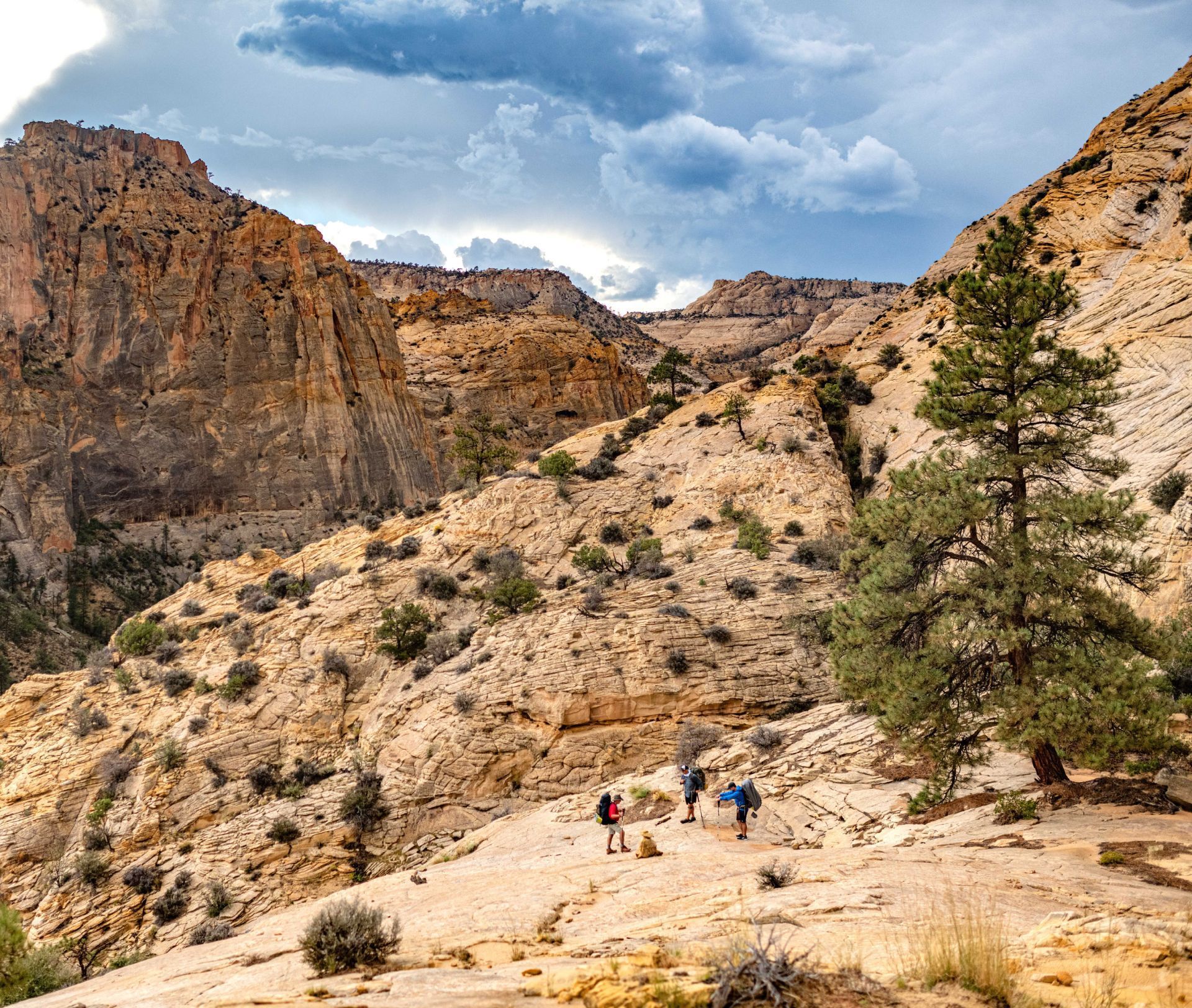
The landscape is wildly diverse. Narrow slot canyons where you squeeze between sculpted sandstone walls. Expansive desert vistas dotted with buttes, mesas, and dramatic spires. Spring-fed creeks lined with cottonwoods where you can cool off after a long day on the trail. If you're lucky, you might even catch a desert bloom of white primrose and orange globemallow.
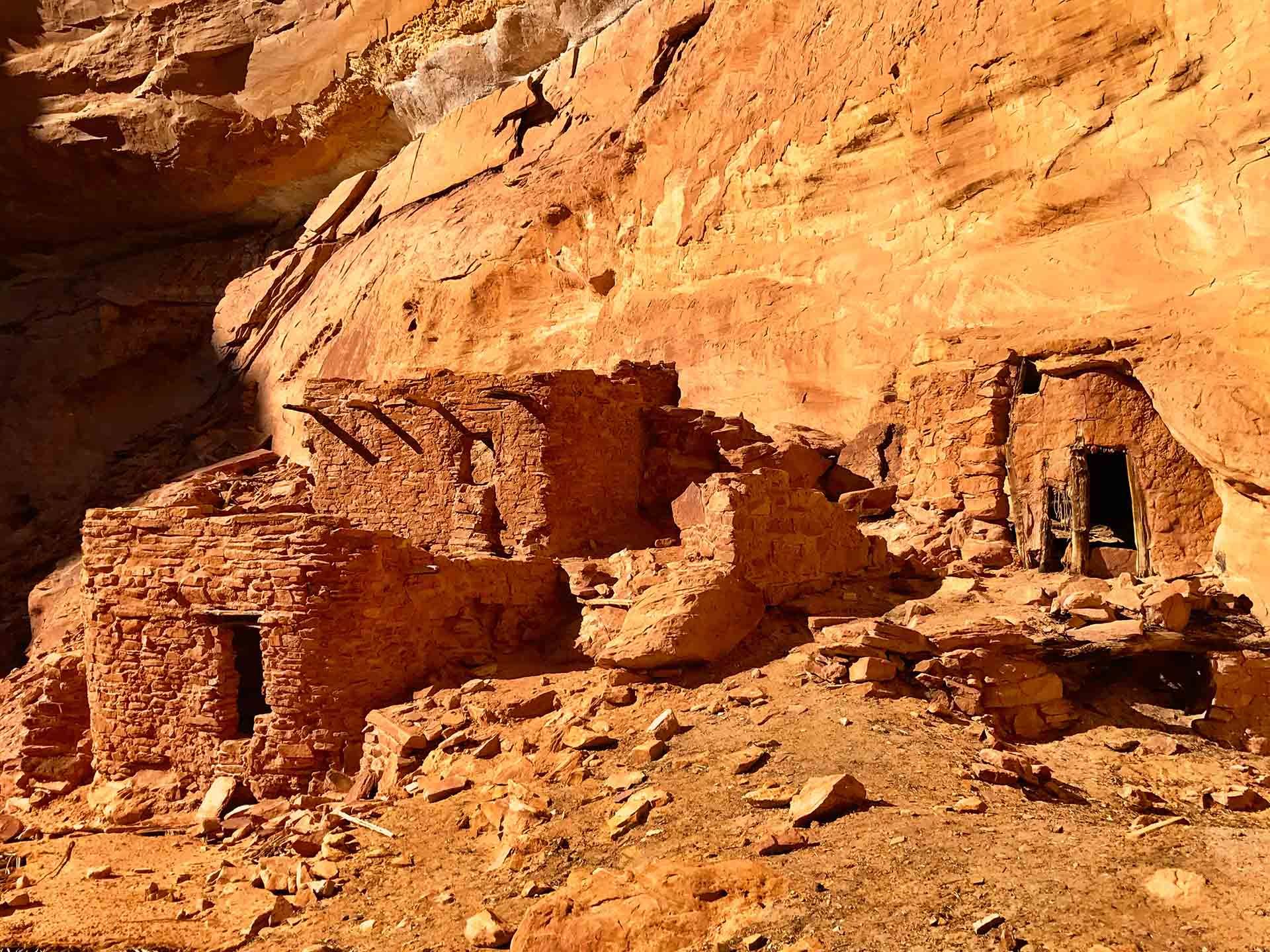
The history runs deep. People have called this region home for at least 10,000 years. Tribes including the Fremont, Hopi, Zuni, Navajo, Paiute, and Ute left behind petroglyphs, pictographs, pottery, granaries, and dwelling sites throughout the monument. Please practice Leave No Trace and never remove artifacts. Travel only on durable surfaces.
It's a paleontological goldmine. The Kaiparowits Plateau alone has yielded at least 15 dinosaur species found nowhere else on Earth. Fossils of ancient turtles, shellfish, and perfectly preserved prehistoric plant life continue to surface here, making the monument one of the richest fossil sites in the world.
Best Hikes in Grand Staircase-Escalante
Day Hikes
Calf Creek Falls (Lower) | 6.1 miles, 550 ft elevation gain. One of the most accessible highlights in the monument, located just off Scenic Byway 12. It's a mostly sandy, three-mile-in hike around rock formations and heavily vegetated creek banks. Your reward? A 126-foot waterfall plunging into a wide swimming pool. A desert oasis straight out of a movie. A Four Season Guides-led expedition will also seek out the lesser-visited 88-foot Upper Calf Creek Falls.
Escalante River Trail | 6 miles, 260 ft gain. A perfect water day. This hike crosses the Escalante River multiple times, so bring water shoes. Lush vegetation and plenty of shade make it a great option when temperatures climb. Look up directions to Bowington Arch before you go, as there's no sign on the trail.
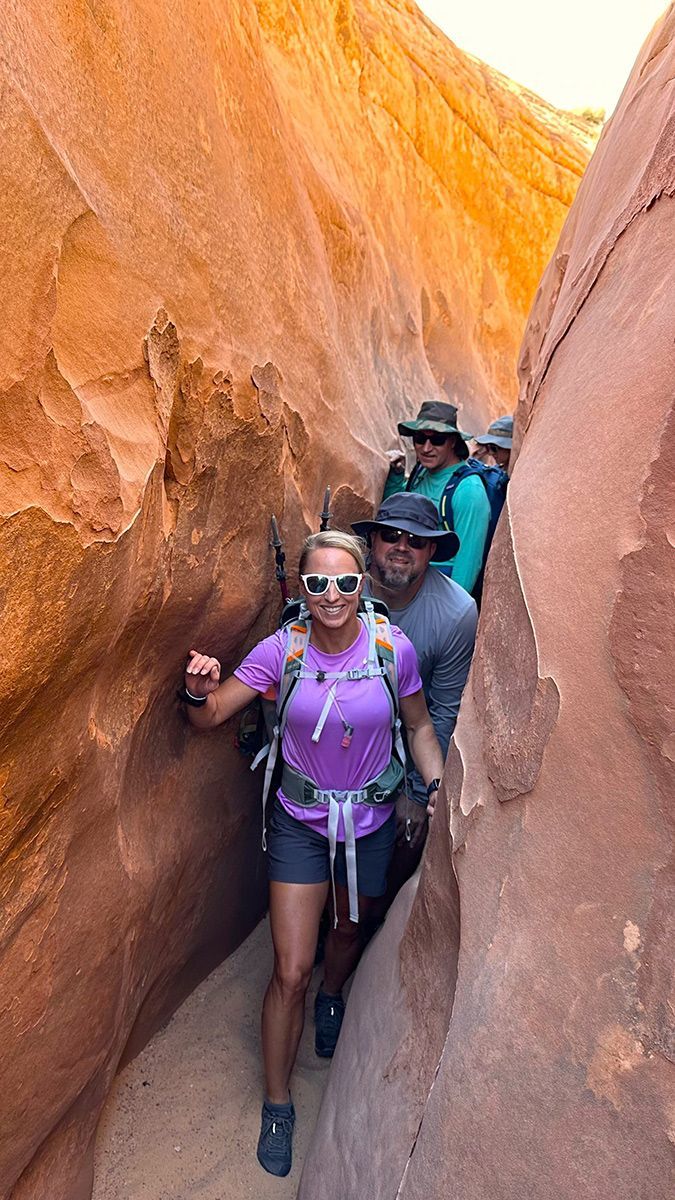
Peekaboo & Spooky Gulches | 6.3 miles, 670 ft gain. If slot canyons are your thing, these two are at the top of any canyon explorer's bucket list. Located right off the famous Hole-in-the-Rock Road, they've been carved less than half a mile from each other, creating an unforgettable loop. No ropes or technical gear required. These are the best easily accessible slot canyons in the Escalante staircase.
Escalante Backpacking & Overnight Trips
Golden Cathedral | 10-15 miles, 1,500 ft gain. Further down Hole-in-the-Rock Road you'll find the Egypt Trailhead (a generous description, as there are no official trails here). The destination is the Escalante River, five miles in, which harbors one of America's most wondrous natural treasures. The "cathedral" is illuminated by three giant skylight potholes carved out of Neon Canyon. You have to see it to believe it. Our Egypt & the Golden Cathedral backpacking tour is a 4-day guided trip into this incredible canyon system.
Coyote Gulch | 10-30 miles depending on route, 1,800 ft gain. This one has gained serious popularity in recent years, and for good reason. A perennial stream, waterfalls, stone arches, massive alcoves, and natural bridges. Bring wag bags and respect the cryptobiotic soil. We know when to visit to help you avoid the worst of the crowds. Join our guided Coyote Gulch backpacking trip and let us handle the logistics.
Boulder Mail Trail | 15 miles point-to-point, 2,600 ft gain. A challenging historic route requiring solid navigation skills and desert experience. Remote wilderness, archaeological sites, river hiking, and outstanding campsites for those ready to take it on. Our Escalante Backcountry Traverse covers this trail over 5 days with expert guides.
Prefer comfort over camping? Our
Escalante Lodge-Based Tour pairs expert-guided day hikes through slot canyons, waterfalls, and hidden canyons with comfortable lodge accommodations each night. All meals, transportation, and gear included.
Scenic Drives
Highway 12 | Drive from Boulder to Bryce Canyon (about 1.5 hours each way). The stretch from Boulder to Escalante along a narrow sandstone ridge with panoramic views in every direction is unforgettable. Easily a full-day outing with stops.
Hole-in-the-Rock Road | A 56-mile dirt road departing from the town of Escalante. Provides access to Peekaboo, Spooky, Coyote Gulch, and more. Most of the road is passable without 4WD, though the final stretch requires high clearance. Bring water and a spare tire.
Where to Stay and Eat
Escalante is the best base for exploring the monument. Small, quiet, and centrally located near the best trailheads. Book accommodations in advance because options are limited. Kanab is another great option with more lodging, restaurants, and a BLM Visitor Center.
For food, don't miss Escalante Outfitters for gear, coffee, and the best pizza in the region. Hell's Backbone Grill & Farm in Boulder is an incredible farm-to-table experience (make a reservation). And Escalante Mercantile is perfect for a quick grab-and-go breakfast.
When to Visit
The best times to visit Grand Staircase-Escalante National Monument are March through May and September through November. Much of the monument sits between 5,000 and 8,000 feet, so winters are cold and snowy. Summer temperatures regularly exceed 100°F, making desert hiking dangerous. The shoulder seasons offer the best conditions.
How to Get There
Las Vegas, NV | Fly in and rent a car (SUV recommended). About 5 hours to Escalante, 3 hours to Kanab. You can add stops at Zion and Bryce Canyon along the way.
St. George, UT | The closest major town and the meeting point for our Escalante Lodge-Based Tour. About 3 hours to Escalante.
Salt Lake City, UT | Similar 5-hour drive but fewer scenic stops along the route.
Page, AZ | Small regional airport. Stop at the Big Water Visitor Center for the dinosaur exhibit, and consider a side trip to the Grand Canyon's North Rim (open May through November).
Frequently Asked Questions
Discover everything you need to know about hiking and exploring the Grand Staircase-Escalante National Monument — from iconic trails to hidden canyons and the best ways to experience this Utah wilderness.
What is the Grand Staircase-Escalante National Monument known for?
The Grand Staircase-Escalante National Monument is known for its vast desert landscapes, colorful rock formations, slot canyons, and waterfalls. It spans nearly a million acres in southern Utah and features incredible hiking routes like Peekaboo Gulch, Spooky Gulch, and Calf Creek Falls.
Where is the Grand Staircase-Escalante National Monument located?
It’s located in southern Utah, between Bryce Canyon National Park and Glen Canyon National Recreation Area. The monument stretches across rugged terrain accessible via Scenic Byway 12 and Hole-in-the-Rock Road.
What are the best hikes in the Grand Staircase-Escalante?
Popular hikes include Peekaboo and Spooky Gulches for narrow slot canyon adventures, Calf Creek Falls for a scenic desert oasis, and Golden Cathedral for dramatic natural skylights. Guided tours can help you reach lesser-known areas safely and avoid crowds.
How difficult is the hike to Calf Creek Falls?
The Lower Calf Creek Falls Trail is a moderate six-mile round trip with gentle elevation changes. The sandy path follows a lush desert creek and ends at a stunning 126-foot waterfall — a great reward for a relatively easy hike.
What makes Peekaboo and Spooky Gulches unique?
These neighboring slot canyons are famous for their tight, twisting passages carved by centuries of erosion. The loop hike between them offers an unforgettable experience, with Peekaboo’s natural arches and Spooky’s narrow corridors just half a mile apart.
What is the Golden Cathedral in Escalante?
The Golden Cathedral is a spectacular chamber in Neon Canyon, illuminated by three massive skylight holes in the rock above. Reaching it requires a five-mile hike from the Egypt Trailhead and offers one of the most photogenic views in the region.
Is it better to hike Grand Staircase-Escalante with a guide?
Yes, guided hikes are highly recommended. The monument covers a massive, rugged area with limited signage. Experienced guides help you navigate safely, choose the best trails, and discover hidden spots that most visitors miss.
When is the best time to visit Grand Staircase-Escalante?
Spring and fall offer the best conditions for hiking — mild temperatures, clear skies, and fewer crowds. Summer can be very hot, especially in canyons, while winter may bring ice and limited access on remote roads.
How does Grand Staircase-Escalante compare to Bryce Canyon?
Bryce Canyon is more compact and famous for its amphitheaters of hoodoos, while Grand Staircase-Escalante is wilder and more remote. Both offer breathtaking scenery, but Escalante’s trails feel more secluded and adventurous.
Are there multi-day or lodge-based tours available?
Yes, companies like Four Season Guides offer both lodge-based and backpacking tours across Grand Staircase-Escalante. Options include women’s hiking trips, Escalante lodge-based tours, and multi-day adventures through canyons like Death Hollow.
Four Season Guides, 506 N Grant St suite o, Flagstaff, AZ 86004, United States
+19285251552
35.19653980, -111.62000560
Read More