The Best Time to Visit Zion National Park: Month-by-Month Guide
Key Takeaways
- The best time to visit Zion National Park depends on your goals — spring offers lush waterfalls, summer opens up The Narrows, fall brings vivid colors, and winter rewards visitors with peaceful, crowd-free trails.
- September and October are often considered the
ideal months thanks to mild temperatures, fewer crowds, and access to all major hikes like Angels Landing and Observation Point.
- Spring (March–May) delivers the most dramatic scenery with wildflowers and flowing waterfalls, though high river levels can close The Narrows temporarily.
- Summer (June–August) is prime for wading The Narrows and enjoying long daylight hours, but visitors should start early to avoid the heat and afternoon storms.
- Winter (December–February) is perfect for solitude seekers — expect crisp air, snow-dusted cliffs, and shuttle-free access, though some trails may be icy.
- Always
check shuttle schedules and trail conditions before visiting, as these can affect how you explore Zion’s most iconic hikes.
Zion National Park is one of Utah’s crown jewels — towering red cliffs, crisp desert air, cottonwood-lined rivers, and some of the most scenic trails in the national park system. But timing your visit matters more here than in most parks. Temperatures swing dramatically, The Narrows is controlled by spring runoff and flash-flood potential, and shuttle schedules dictate how most visitors move through Zion Canyon.
After guiding in Zion for years, we’ve learned that each season offers something special, but also something to prepare for. This guide breaks down what to expect in spring, summer, fall, and winter, along with a concise month-by-month overview to help you plan the perfect trip.
The Short Answer
The best overall time to visit Zion is late September to late October.
You’ll find mild temperatures, lower crowd density than peak summer, and good conditions for most trails—including Angels Landing, Observation Point (when open), and The Narrows (depending on flow).
But which season is “best” really depends on what you hope to do. Below is an honest, safety-forward look at each.
Spring in zion (March–May)
Best for: Waterfalls, lush canyon walls, cool hiking temperatures
Be prepared for: Cold water, high runoff, trail closures, variable weather
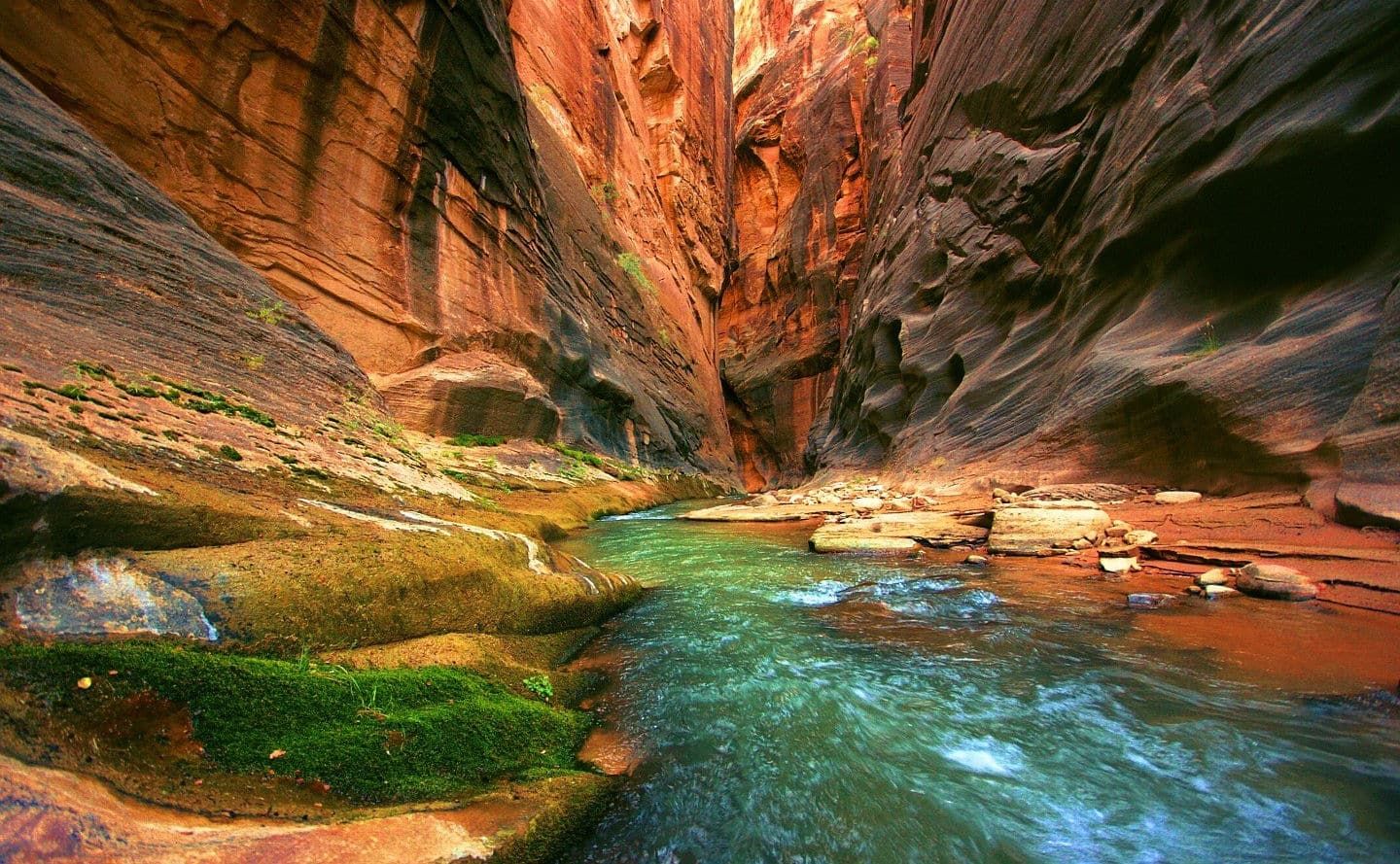
Spring is one of Zion’s most visually dramatic seasons. Snowmelt from higher elevations fills the Virgin River, creating powerful waterfalls and seeping desert springs. Temperatures are comfortable for hiking, usually ranging from the 50s to 80s °F.
However, this is also when The Narrows is most likely to be closed due to high flow rates. Even when open, the water is very cold, and a drysuit is strongly recommended.
Trail conditions vary widely—sunny slopes melt quickly, but higher or shaded trails may still hold ice into March. Angels Landing permits are easier to secure in early spring than in summer, but always expect variable weather.
But spring also brings the least predictable conditions of the year:
- Temps: 50s–80s °F
- Virgin River runs strong and waterfalls are at their peak.
- The Narrows frequently closes due to high flow rates (often April–May).
Guide Insight:
On our
guided Zion trips, we often build flexible itineraries in spring because trail access can change with little notice.
Summer in zion (June–August)
Best for: Hiking The Narrows, long daylight, early morning hikes
Be prepared for: Intense heat (95–105°F+), crowds, monsoon thunderstorms
Summer is the busiest season in Zion—and the most misunderstood.
Heat is a serious safety factor.
Many trails are fully exposed, and temperatures over 100°F are common. Early starts are essential, and
strenuous routes like Angels Landing and Observation Point (when accessible) can be unsafe during peak afternoon heat.
That said, The Narrows is at its best in summer, with warm air temperatures and lower, slower-moving water. Wading through the river becomes not just manageable but refreshing.
Crowds peak from June through mid-August, and the shuttle system is required for accessing Zion Canyon..
However, this is also Zion’s most challenging season for exposed trails:
- Temps: 90s–100s °F
- Crowds peak in June/July.
- Best for: Hiking The Narrows (low water, refreshing in heat).
- Caveat: Monsoon storms (late July–August) bring elevated flash-flood risk, affecting river hikes and slot canyons.
Guide Insight:
Our guides avoid long, exposed hikes after 10am in summer. Early starts and conservative pacing are essential for heat management.
Fall in zion (September–November)
Best for: Ideal weather, fall color, balanced trail access
Be prepared for: Shorter days, early freezing at elevation
Fall is widely considered the best overall season in Zion — especially mid-September through late October. You can expect:
- Temps: 50s–80s °F
- Golden cottonwoods along the river (peak late October–early November)
- Best for: Angels Landing, Observation Point, longer, strenuous hikes.
This is the most balanced season for planning a multi-day hiking tour—comfortable days, cool nights, and dependable weather.
By November, shuttles wind down and private vehicles can access Zion Canyon, which changes the park’s flow and parking dynamics considerably.
Guide Insight:
Most of our
lodge-based tour guests choose fall because it offers the best combination of comfort, scenery, and trail access.
Winter in zion (December–February)
Best for: Solitude, quiet photography, relaxed pace
Be prepared for: Snow/ice, cold water, limited services
Winter in Zion is peaceful and underrated. Crowds thin dramatically; the shuttle is not required; and cool, crisp air enhances the canyon’s colors.
You can expect daytime highs in the 30s–50s °F, with occasional snowstorms that temporarily close or obscure trails. Angels Landing and other higher-elevation routes can become icy—traction devices are recommended.
Some trails become even more beautiful under fresh snow, and photographers are drawn to the snow-dusted Navajo Sandstone. Just be ready for cold starts and early sunsets.
- Temps: 30s–50s °F
- Lowest crowds of the year.
- Best for: Peaceful hikes, crisp photography.
- Caveat: Angels Landing and higher trails may be icy; microspikes often recommended. And the Narrows water is extremely cold.
Guide Insight:
Winter is perfect for guests who prefer solitude and don’t mind cooler temperatures. It is not ideal for high-water or technical trails.
The Best Time of Year to Visit Zion National Park
Month-by-Month Breakdown
- January & February: Cold but crowd-free. Perfect for solitude and photography.
- March & April: Wildflowers bloom; waterfalls strongest. Start of shuttle season.
- May & June: Great for long hikes. Water levels drop → Narrows becomes accessible.
- July & August: Hot, but Narrows is at its best. Go early morning to avoid heat.
- September & October: Best overall months for balance of weather, colors, and hiking.
- November & December: Quiet, festive, and cool. November still mild; December can see light snow.
When to Hike Zion’s Most Popular Trails
Hiking The Narrows
- Best: May, June, September
- Worst: Spring runoff months (often closed April/early May).
- Consider neoprene socks and dry suits in cooler months.
Angels Landing
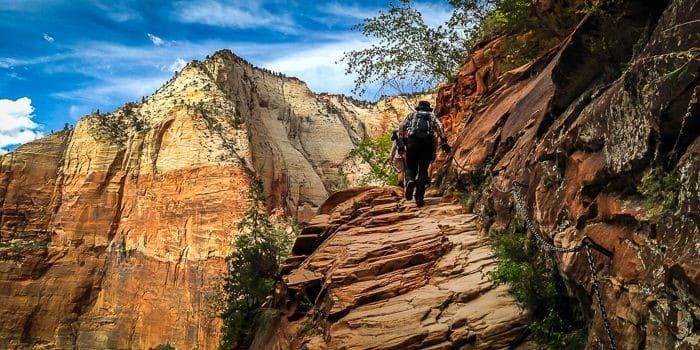
- Best: March–May, September–November
- Avoid: Peak July crowds.
- Permit required year-round
observation point
- Best: Spring & Fall
- Worst: Winter (if it's a snowy year), Summer (unless starting very early)
- Since 2019, the only access is via the East Mesa Trail
emerald pools
- Best: Spring & Fall, early mornings in summer
- Worst: Winter - it gets icy
- In general, this is a good trail any time of year if you're prepared for the conditions
Why Timing Matters for Visiting Zion
Zion Canyon Shuttle
Operates roughly March–November. Limits access to private vehicles.
Heat Management
Hydration, early starts, and realistic expectations are essential.
Flash Flood Risk
Especially July–September. Always check conditions before entering slot canyons.
Trail Access Changes
Rockfall, construction, and flooding can temporarily close major trails.
Crowds
Peak days: mid-June to mid-August, spring break, Easter week.
Book The Season You Just Picked
The Zion page at Four Season Guides lists the Bryce and Zion lodge based tour, the Zion, Bryce and Escalante basecamp trip, Best of Canyon Country and Bryce, Zion and Grand Canyon. Departures run spring and fall, the same shoulder season windows this guide points you toward.
See Guided Zion Hiking ToursFAQs About Visiting Zion National Park
What is the best month to visit Zion National Park?
September and October offer the best mix of mild weather and thinner crowds.
What’s the worst time to visit Zion?
July and August are the most crowded and hottest months. Early starts are essential, especially for hikers.
What is the least crowded time to visit Zion?
December to February sees the fewest visitors. Winter offers quiet trails and beautiful conditions, but higher routes may be icy.
Is December a good time to visit Zion?
Yes, it’s’s quiet, affordable, and magical with occasional snow.
When is The Narrows open?
The Narrows is usually open and enjoyable from mid-May through early October. It is often closed in April to early May due to high spring runoff and July and August can see flash flooding danger.
Do I need the shuttle to visit Zion?
From March through November, the shuttle is required for accessing Zion Canyon, including trailheads for Angels Landing, Emerald Pools, West Rim, and The Narrows.
When are fall colors at their peak?
Cottonwood color typically peaks between late October and early November, depending on weather patterns.
Is it safe to hike in summer?
Yes, with proper planning. Start early, avoid exposed afternoon hikes, hydrate frequently, and monitor heat advisories.
What trails are most affected by seasonal conditions?
- The Narrows: spring runoff, summer flash-flood risk
- Angels Landing: summer heat, winter ice
- Observation Point: seasonal closures/access changes
- Emerald Pools: winter icing near waterfalls
Choose Your Perfect Zion Hiking Adventure.
No matter when you visit, Zion has something unforgettable to offer. Spring brings waterfalls, summer opens the Narrows, fall fills the canyon with color, and winter offers quiet beauty. The best time to explore depends on how you want to experience the park. Whether you are looking for fewer crowds, cooler weather, or iconic trails, your adventure starts with choosing the right style of trip.
👉
Choose Your Perfect
Zion Hiking Adventure.
Four Season Guides, 506 N Grant St suite o, Flagstaff, AZ 86004, United States
+19285251552
35.19653980, -111.62000560
Read More