Visiting the Grand Canyon in October: Weather, Hikes and Trip Planning
We here in the Southwest know the score. The Northeast and the mountains get all the ink when it comes to fall destinations in the travel guides. We're used to it.
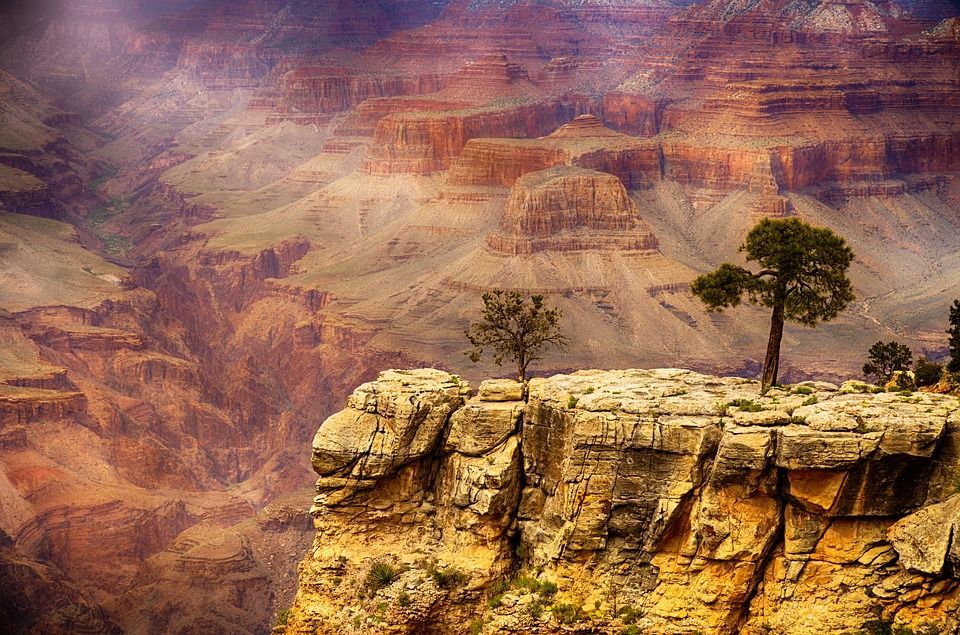
Grand Canyon tours in the fall offer a different kind of color. As the sun drops lower in the sky, light and shadow bring out the colorful layers in the canyon walls. You can spend a morning walking the rim and watch familiar formations take on a different shape by afternoon.
October brings cooler starts and more time to enjoy the view without midsummer's usual heat. Choose your route for your group's hiking ability and the park's current access.
Access update checked October 5, 2026: Following the August 29 flood, Phantom Ranch, Bright Angel Campground, Cottonwood Campground, the North Kaibab Trail and the Black and Silver bridges remain closed. Closures also affect the South Kaibab Trail below the Tip-Off and the River Trail between the River Resthouse and the South Kaibab Trail. No potable water is available in the inner canyon, and the National Park Service has temporarily suspended overnight lodging on the South Rim. No reopening date has been announced. Read the National Park Service notice and our trip update before choosing a route. We do not expect to operate traditional rim-to-rim backpacking trips during the remainder of 2026.
Why choose Grand Canyon tours in the fall?
Take your time between rim viewpoints. The lower autumn sun brings the canyon's ridges and layers into sharper relief, and cooler mornings make lingering outside a pleasure. You do not need a long hike to enjoy that change in the light.
Decide how you want to spend the nights, too. A lodge-based trip gives you a bed after each hike. Backpacking means carrying overnight gear and camping in the canyon, where routes and permits allow.
Compare our Grand Canyon hiking tours by trip style and difficulty.
What is the Grand Canyon like in October?
Think of the rim and inner canyon as different weather settings. A chilly start at the South Rim can lead to a considerably warmer hike as you descend. Coming back up reverses that change, often as the afternoon light is fading.
The National Park Service weather guide separates rim and inner-canyon conditions for this reason. Check the forecast for the elevation of your hike, then look at the forecast for where you will sleep.
| Part of your trip | October planning consideration | Useful preparation |
|---|---|---|
| South Rim morning or evening | Cold air and wind can make viewpoints feel much colder than the afternoon | Carry an insulating layer and a wind or rain shell |
| A hike below the rim | Temperatures rise as elevation drops; sun exposure still matters | Carry water, food and sun protection |
| The return climb | Uphill effort takes time, and daylight is shorter than in summer | Set a realistic turnaround and carry a headlamp |
| An overnight trip | Conditions vary substantially with campsite elevation and weather | Use the packing guidance for your confirmed itinerary |
Fall is not a reason to leave rain protection behind. Weather can change, and cold or snow can affect higher elevations. Pack for the trip you are taking rather than a single average temperature.
Which fall hiking trip fits your group?
A day hike with a lodge to return to
A day hike works well when you want time on the trail without an overnight pack. You can choose a rim walk or a suitable route below the rim, then return to your accommodation that evening.
Do not judge an inner-canyon route solely by the distance on the map. The descent comes first. You need enough energy and time for the climb back out, so a shorter turnaround can still produce a satisfying day.
Our Grand Canyon day hikes offer a starting point for discussing terrain and effort. Current route choices depend on access and conditions.
Several hiking days with comfortable nights
A lodge-based tour suits travelers who want successive days outdoors while having a hot shower and comfortable room to return to each evening.
Our four-day Grand Canyon & Sedona lodge-based tour pairs South Rim hiking with Sedona's red rock country. Ask us about availability and the current Grand Canyon itinerary for your dates.
A backpacking trip
Backpacking offers a longer stretch of time in the canyon, with the additional demands of carrying equipment and camping. Autumn can be a good season for it, but permit availability, water availability, route conditions and your experience all shape the plan.
The 2026 closures rule out some familiar itineraries. Browse our Grand Canyon backpacking trips, then ask which routes are operating for your dates.
Is October quieter than summer?
October can still be busy at well-known viewpoints and trailheads. Book accommodation well in advance and work out how you will reach your hike before arriving.
An early start can give you more room in the schedule. It also leaves time for a shorter route, a slower pace or an extra stop when the light is worth watching. If your group prefers a quieter experience, tell us that when discussing a hike so we can consider it alongside fitness and trail access.
What should you pack for a fall hike?
Start with comfortable footwear you have already worn on walks. Add layers you can take off during a warm descent and put back on at a cool viewpoint. A small pack should have room for the essentials throughout the day.
- Water and food appropriate to the route and conditions.
- Sun protection, including a hat and sunscreen.
- An insulating layer and weather protection.
- A headlamp, even for a planned day hike.
- The navigation and other equipment appropriate to your itinerary.
Use your confirmed trip's packing list to decide what to bring and what the guide supplies.
Make time for the canyon light
Leave time for one more stop on the rim. The view you passed in the morning can look quite different in the late-afternoon light.
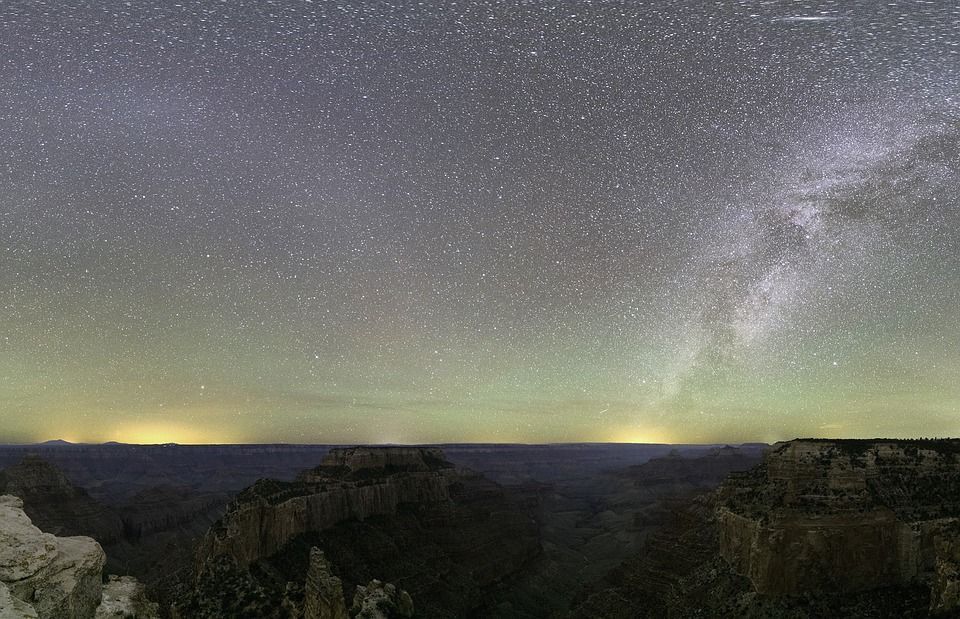
Bring a warm layer for an evening viewpoint and know how you will get back. If the sky is clear, stay a little longer to watch the stars appear.
If you are considering October, tell us your dates and the kind of hiking you enjoy. We can help you choose an available trip that fits your group.
Frequently asked questions
Is October a good month to visit the Grand Canyon?
It can be, especially for hiking and photography. Expect different conditions at the rim and below it, prepare for shorter days, and check current access before committing to an itinerary.
Can I hike rim to rim in fall 2026?
The current closures prevent the traditional crossing. Four Season Guides does not expect to operate traditional rim-to-rim backpacking trips during the rest of 2026. Follow the official access updates for future planning.
Can beginners enjoy a fall hiking trip?
Yes, with an appropriately chosen route. Tell your guide about recent hiking experience, comfort with uneven ground and any concerns about climbing. A rim walk and a substantial inner-canyon hike demand very different levels of effort.
Can I combine the Grand Canyon and Sedona in October?
Our four-day lodge-based tour combines both destinations. Confirm departure availability and the current route plan with us, especially while Grand Canyon closures affect some hiking areas.
Frequently Asked Questions
Discover why fall is one of the most breathtaking and comfortable times to explore the Grand Canyon, from its golden aspens to its cool hiking weather.
When is the best time to visit the Grand Canyon in the fall?
The ideal time to visit the Grand Canyon in the fall is from mid-September through late October. During this period, daytime temperatures are comfortable for hiking, the summer crowds thin out, and the canyon walls glow with deep, changing colors under softer autumn light.
What does the Grand Canyon look like in autumn?
In autumn, the Grand Canyon transforms with golden aspens, red Rocky Mountain maples, and warm light that enhances the colors of the rock formations. The North Rim especially bursts with color, while the softer sunlight and cooler air create vivid contrasts perfect for photography.
Is fall a good time for hiking the Grand Canyon?
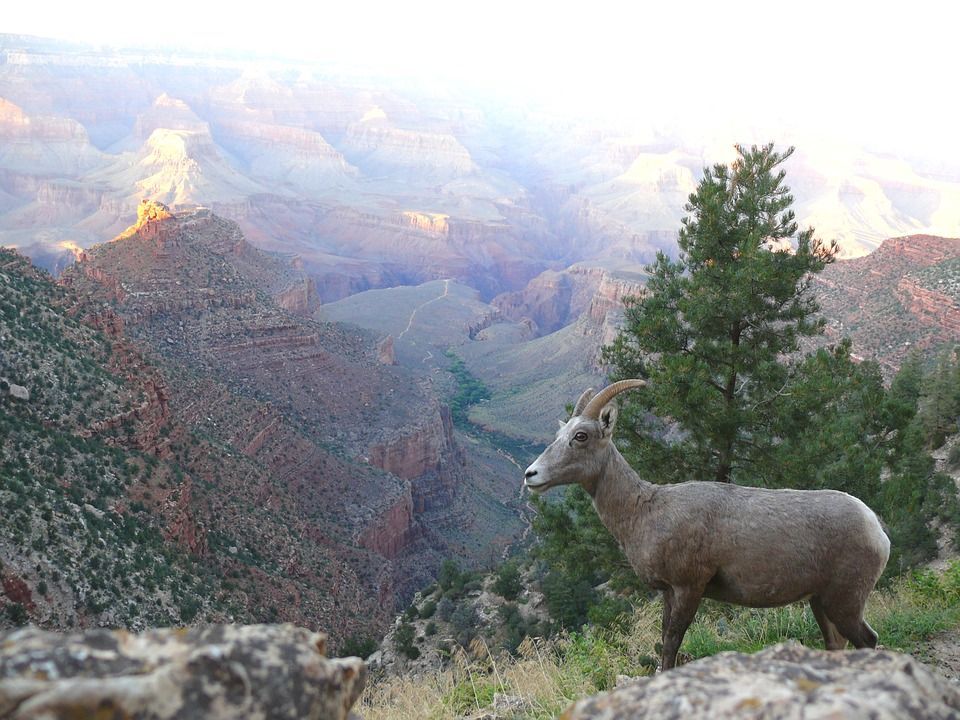
Yes, fall offers some of the best hiking conditions of the year. The summer heat fades by mid-September, bringing cooler, dry air and comfortable temperatures in the 70s down in the canyon. Trails are quieter, and wildlife like bighorn sheep are more visible.
What should I pack for a fall hike in the Grand Canyon?
Pack layers for fluctuating temperatures—light clothing for daytime hiking, plus a thermal base layer for cool mornings or early snowfall. Include sturdy hiking boots, a warm hat, and a lightweight jacket. Bring rain protection, and follow the packing guidance for your confirmed itinerary.
Can I see fall colors at the Grand Canyon?
Absolutely. The North Rim is especially known for its fall foliage, with brilliant gold aspens and red maples among pine and fir forests. Combined with the canyon’s red and orange cliffs, the display rivals the classic fall views of the Northeast.
Is the Grand Canyon less crowded in fall?
Yes. After Labor Day, visitation drops significantly, especially on the North Rim. You’ll enjoy quieter trails, shorter lines at viewpoints, and a more peaceful experience overall, without the intense summer heat or tourist rush.
What is the weather like at the Grand Canyon in fall?
Fall weather is cool and pleasant. By mid-October, temperatures inside the canyon hover around the 70s, while the rims can be much cooler, particularly in the mornings and evenings. The air is crisp and skies are often clear for stargazing.
Why is fall photography at the Grand Canyon so popular?
Autumn light brings out the canyon’s most vibrant colors. The lower sun angle adds depth and warmth to the cliffs, and the crisp air enhances visibility. Many of the iconic Grand Canyon photos published in magazines are captured during the fall season.
Are nights cold in the Grand Canyon during fall?
Yes, temperatures drop sharply after sunset, especially on the rims. Warm clothing is essential if you’re camping or staying overnight. Clear skies also make for stunning stargazing or moonlit views, especially under the bright Harvest Moon.
What wildlife can I see during fall at the Grand Canyon?
Fall is an active season for wildlife. Bighorn sheep are more visible along trails, and other animals venture out in the cooler weather. Birdwatchers may also spot migrating species heading south for the winter.
Four Season Guides, 506 N Grant St suite o, Flagstaff, AZ 86004, United States
+19285251552
35.19653980, -111.62000560
Read More