Half Dome Day Hike: Complete Permits, Training & Trail Guide
Key Takeaways
- Half Dome is a legendary 14-16 mile day hike with 4,800 feet of elevation gain requiring 10-14 hours to complete
- Day hike permits are obtained through a lottery system: preseason lottery in March and daily lottery two days before your hike
- The final 400 feet up Half Dome's cables requires strength, experience, and excellent weather conditions
- Most hikers don't need a harness for cables, but they're recommended for safety-conscious adventurers
- Proper 8-12 week training and careful weather monitoring are essential to complete this challenging hike safely
Half Dome Hike Overview
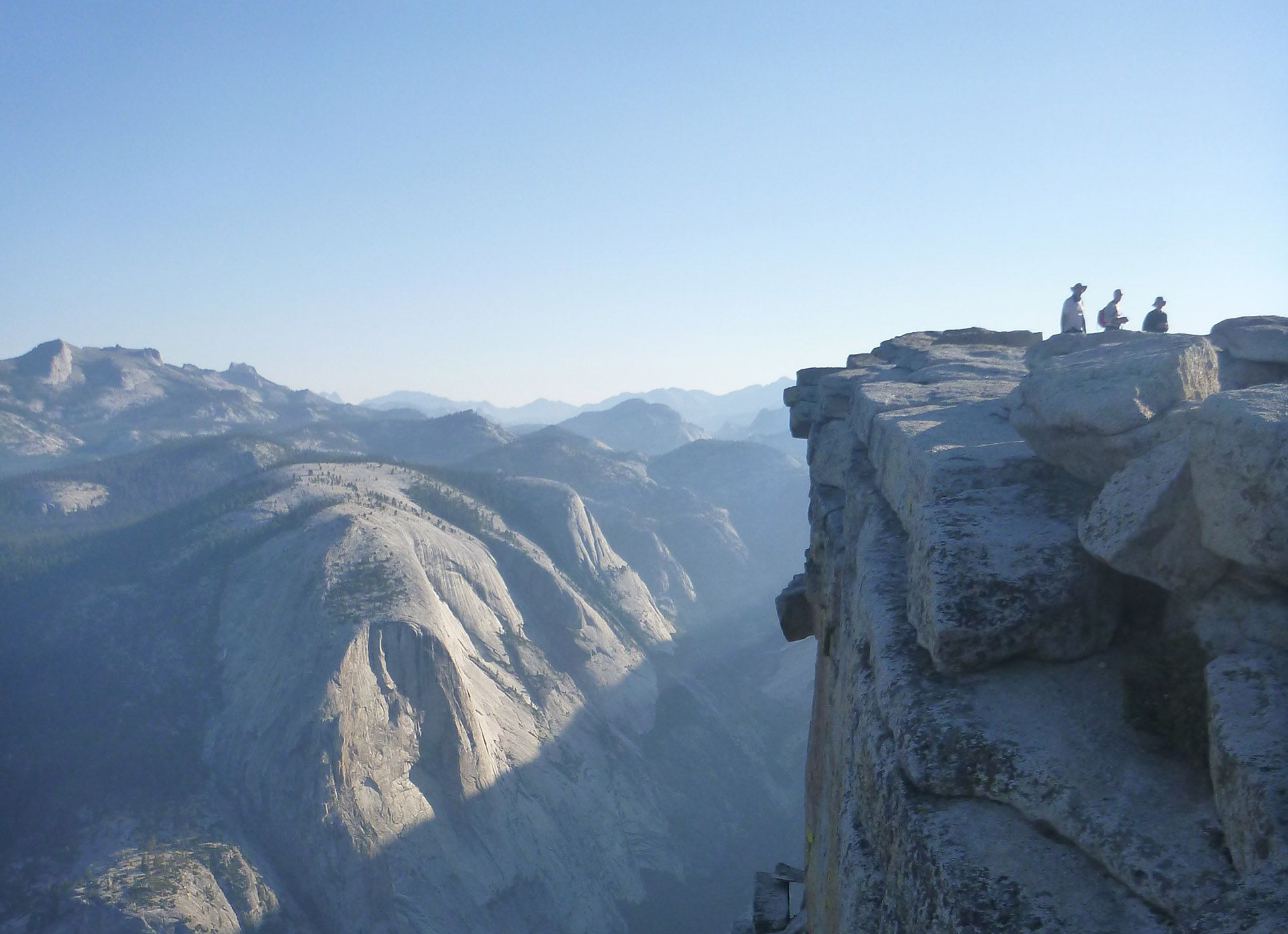
Half Dome stands as one of California's most iconic peaks and the crown jewel of Yosemite National Park. This granite monolith dominates the eastern skyline and has captivated hikers for over 150 years. The Half Dome day hike represents the ultimate test of endurance and determination for experienced backpackers and hikers looking to push their limits.
What makes Half Dome hike so special isn't just its iconic appearance, it's the incredible sense of accomplishment you feel standing atop this 8,842-foot granite dome. The combination of scenic beauty, technical sections, and the famous cable descent creates an unforgettable adventure. Whether you're planning your first attempt or returning for another summit, understanding every aspect of this hike is critical to your safety and success.
Trail Stats: Distance, Elevation, and Time
| Metric | Value |
|---|---|
| Distance | 14-16 miles round trip |
| Elevation Gain | 4,800 feet |
| Summit Elevation | 8,842 feet |
| Estimated Time | 10-14 hours |
| Difficulty Rating | Very Strenuous / Expert |
| Cable Season | May - October |
Half Dome Permits: How the Lottery System Works
The National Park Service implemented a strict lottery system for Half Dome permits to manage the overwhelming demand and ensure visitor safety. Securing a half dome permit is often harder than completing the hike itself with just 400-450 permits available daily, competition is fierce. Understanding how the lottery works is your first step toward summiting this legendary peak.
Preseason Lottery (March)
The preseason lottery opens in mid-March each year for hikes occurring between May and September. This drawing determines approximately 50% of available Half Dome permits.
The process is straightforward: create a recreation.gov account, submit your lottery application with your preferred hiking dates, and wait for results in late March.
Winners receive a confirmation email with their permit confirmation number.
Your odds are calculated based on the total number of applicants divided by available permits. In recent years, the probability of winning stands between 5-10%, making this the most competitive lottery drawing of the year.
Daily Lottery (2 Days Before)
If you miss the preseason lottery or prefer flexibility, the daily Half Dome lottery releases remaining permits two days before each hiking date at 2 PM Pacific Time. These slots represent approximately 50% of daily permits. The competition is less intense than preseason, but availability decreases as summer progresses.
To enter the daily lottery, you need a recreation.gov account and be ready to check availability at exactly 2 PM. Winners are notified immediately and must obtain their permit before noon the following day. This option works well for flexible hikers willing to wait until the last moment.
Backpacker Permits as an Alternative
Hikers willing to camp overnight can secure Half Dome permits through the general Yosemite backcountry permit system. This alternative route provides unlimited permit opportunities since you're not limited to the day hike lottery.
Many experienced hikers use the backpacking approach, combining Half Dome with other destinations like the Clouds Rest and Half Dome backpacking trip for a multi-day adventure.
Backpacking permits require advance planning and follow Yosemite's standard permit application process.
You'll need to camp in Little Yosemite Valley, which means carrying overnight gear. While this requires more preparation, backpacking eliminates the lottery stress and allows you to experience Half Dome from multiple perspectives.
The Trail: Mile-by-Mile Breakdown
Understanding the terrain and what to expect at each stage of the Half Dome trail helps you pace yourself appropriately and manage your energy. The hike breaks naturally into distinct sections, each presenting unique challenges and rewards.
Happy Isles to Vernal Fall (Mist Trail Route)
Your adventure begins at Happy Isles trailhead, elevation 4,035 feet. The first 5.5 miles to Vernal Fall follow the famous Mist Trail, a well-maintained path gaining 1,000 feet of elevation. This section features granite steps, switchbacks through forest, and increasingly dramatic views of Yosemite Valley. The Mist Trail earned its name from the wet mist generated by Vernal Fall's cascade especially prominent in spring and early summer.
The Mist Trail includes one unique feature: a section of carved stone steps built directly into the granite. This part can be slippery when wet, requiring careful foot placement. Expect to encounter crowds here, particularly on weekends and mornings. The trail passes Vernal Fall's base around mile 5.5, where you can enjoy water and stunning cascading views before continuing upward.
Vernal Fall to Nevada Fall
From Vernal Fall's top, the trail climbs another 1,000 feet over 2.5 miles to Nevada Fall.
This section gains significant elevation as you navigate the John Muir Trail, leaving the Mist Trail crowds behind. The landscape transitions from soaring waterfalls to alpine meadows and granite formations. You'll pass several switchbacks offering increasingly expansive views of the valley below.
Nevada Fall appears suddenly as you crest a ridge a 594-foot cascade that's even more impressive than Vernal Fall. At this point, you've covered approximately 8 miles and climbed 2,000 feet. The trail here becomes more rugged and exposed, requiring careful navigation. Rest here to refuel and drink plenty of water; you're only halfway through the hike in distance and elevation.
Nevada Fall to Little Yosemite Valley
Beyond Nevada Fall, the trail becomes significantly less crowded as day hikers typically turn back here. You'll continue on the John Muir Trail for another 2 miles, gaining another 1,200 feet as you approach Little Yosemite Valley.
The scenery becomes increasingly alpine, with sparse trees, rocky terrain, and expansive mountain vistas. You're now above 8,000 feet, and the air becomes noticeably thinner.
Little Yosemite Valley sits at the junction of multiple trails and serves as the backcountry camping area for overnight permits. This meadow offers your last water source before the final push to Half Dome. The landscape here feels truly alpine and remote, a dramatic contrast to the crowded lower sections. From here, the dome dominates your view directly ahead.
Sub Dome: The Final Steep Push
The trail from Little Yosemite Valley to Sub Dome covers 2 miles but feels much longer. This section climbs nearly 1,400 feet at an average grade exceeding 15 a punishing ascent that tests mental fortitude. The terrain becomes increasingly rocky and exposed, with minimal shade. Most hikers experience significant fatigue here, and this section determines who reaches the cables and who turns back.
Sub Dome sits just below the final summit push, at approximately 8,600 feet elevation. From this vantage point, you can see the cables stretching up Half Dome's final face your final objective. The view from Sub Dome is stunning, providing a moment to recover, reassess your energy, and mentally prepare for the technical section ahead. Many hikers spend 15-30 minutes here gathering strength for the final push.
The Cables: Climbing Half Dome's Final 400 Feet
The Half Dome cables are perhaps the most distinctive feature of this hike. Two thick steel cables, anchored at 20-foot intervals and rising 400 feet, comprise the final route to the summit. The cables are roughly one and a half inches in diameter and attached to quarter-inch steel brackets. The climb steepness reaches 45-50 degrees, making this section more climbing than hiking. Most hikers reach the cables between hour 8-10 of their hike, when fatigue significantly impacts performance.
The cables are open seasonally, typically from May through October, weather permitting. Cable climbing requires upper body strength, grip endurance, and mental courage. You'll use both hands to pull yourself upward while your feet push against the smooth granite slope. The exposure is significant straight-down drop-offs on both sides.
Crowds on the cables can create bottlenecks, forcing hikers to wait while others climb, which increases fatigue. The cables represent the crux of the entire Half Dome hike, and many experienced hikers rate the cable section as more mentally challenging than physically challenging.
Do You Need a Harness for the Half Dome Cables?
This is perhaps the most debated question among Half Dome hikers. The short answer: no, a half dome harness is not required or provided by the park. However, this doesn't mean harnesses aren't useful. The vast majority of hikers estimates suggest 95% climb the cables without harnesses. The cables are designed and intended to be climbed unprotected. Harnesses used for Half Dome aren't anchored to anything and don't provide fall protection; they simply give climbers something else to hold onto.
If you're already experienced with rock climbing and comfortable with rope, some climbers attach harnesses to the cables to create a clip-in point. However, this setup requires specialized knowledge and isn't recommended for typical hikers.
For safety-conscious hikers, the primary concern is grip strength and fall prevention through technique and caution, not equipment. Wear gloves to improve grip, climb deliberately rather than quickly, and move aside if you feel unsafe. Most importantly, know when to turn back if conditions are too crowded, wet, or if your physical condition deteriorates.
Training Plan: How to Prepare for Half Dome (8-12 Week Plan)
Proper preparation significantly impacts your ability to complete Half Dome safely and enjoyably. An 8-12 week training plan develops the endurance, strength, and mental toughness required for this demanding hike. This timeline allows time for adequate adaptation while not training so far in advance that fitness diminishes.
| Week | Hiking Mileage | Elevation Gain | Focus |
|---|---|---|---|
| 1-2 | 6-8 miles | 800-1,200 ft | Aerobic base |
| 3-4 | 8-10 miles | 1,200-1,800 ft | Build endurance |
| 5-6 | 10-12 miles | 2,000+ ft | Peak mileage |
| 7-8 | 8-10 miles | 1,500-2,000 ft | Taper begins |
| 9-10 | 6-8 miles | 1,000-1,500 ft | Recovery focus |
| 11-12 | 3-5 miles | 500-800 ft | Final taper |
Key Training Principles:
- Build progressively: Increase weekly mileage by no more than 10% per week to prevent injury
- Practice loaded hiking: Train with a backpack weighing 15-20 pounds to simulate race conditions
- Emphasize elevation gain: The Half Dome hike features 4,800 feet of elevation, so seek out steep hikes during training
- Build lower body strength: Squats, lunges, and step-ups strengthen glutes and quadriceps
- Develop upper body endurance: Climbing and cable practice prepare you for the Half Dome cables
- Practice long hikes: Your longest training hike should cover 10-12 miles with 2,000+ feet elevation gain
- Cross-train: Include running, cycling, or swimming to build aerobic capacity without excessive joint stress
Best Time to Hike Half Dome
Timing your Half Dome hike involves balancing weather, crowds, and permit availability.
The cables open in May and close in October, establishing your seasonal window. Within this timeframe, certain periods offer advantages for different hikers.
Early season (May-June) offers lower crowds and spectacular wildflower displays, but weather remains unpredictable with potential snow and cold temperatures at higher elevations.
Mid-season (July-August) provides stable weather and longer daylight hours, but attracts peak crowds and requires early starts to avoid evening thunderstorms.
Late season (September-October) offers smaller crowds than summer but carries weather uncertainty as autumn storms increase.
Most experienced hikers prefer September, when crowds diminish, weather typically remains stable, and daylight allows for longer rest breaks at key points. The cables dry faster in late season, improving grip conditions. Avoid holiday weekends and school breaks when crowds become overwhelming.
Essential Gear for Half Dome
Proper gear significantly impacts your safety and comfort during a 10-14 hour hike.
The Half Dome hike requires specific equipment designed for long-distance hiking and high-altitude conditions.
- Hydration system: Bring 3-4 liters capacity. Carry electrolyte replacement for replacement beyond water alone
- Nutrition: Pack 2,000-3,000 calories in the form of gels, bars, nuts, and trail mix for sustained energy
- Footwear: Wear hiking boots with ankle support and excellent traction. Break them in completely before the hike
- Sun protection: Bring sunscreen (SPF 50+), sunglasses, and a hat. Higher elevation means stronger UV exposure
- Weather protection: Pack a lightweight rain jacket and extra layers. High-elevation weather changes rapidly
- Gloves: Bring thin work gloves for better cable grip and blister prevention
- First aid kit: Include blister treatment, pain medication, and bandages
- Headlamp: Even planning a day hike, bring a headlamp in case you finish later than planned
- Trekking poles: Reduce impact on knees during descent, particularly important for the long downhill
Half Dome Safety: Weather, Lightning, and Fatalities
Half Dome is a serious mountain experience. Understanding risks and respecting the mountain are essential for a safe adventure. The Half Dome hike distance and elevation gain create objective hazards that claim lives approximately 10-20 deaths occur on Half Dome annually across all attempts in Yosemite, though most occur during backpacking attempts in winter. Hikers must approach this peak with respect and humility.
Weather represents the primary hazard. Afternoon thunderstorms develop quickly in summer, with lightning strikes a serious concern at 8,800 feet elevation. The cables become deadly in lightning storms at least two fatalities have occurred on the cables during electrical storms.
If you reach Sub Dome and see storm clouds developing, turn back without hesitation. A successful summit isn't worth your life.
Crowds create secondary hazards. During peak times, 200-300 hikers may crowd the cables simultaneously, creating bottlenecks that force climbers to hold on while stationary exhausting for those with limited grip strength. Rocks dislodged from above hikers have caused injuries. Respect others, communicate clearly, and move decisively.
Exhaustion and hypothermia claim more lives than falls.
The combination of extreme exertion, altitude, and exposure creates conditions where hikers push beyond safe limits. Know your limits and accept that turning back is the correct decision if you're struggling. Many experienced hikers recommend establishing a turnaround time if you haven't reached the cables by 3 PM, consider descending without summit attempts.
Frequently Asked Questions
How many people die on Half Dome each year?
Half Dome hike deaths number approximately 1-3 annually from day hiking attempts during normal season.
Deaths are less common during the prohibited winter closure but can occur from backcountry attempts.
Most fatalities result from weather-related accidents, exhaustion-induced falls, or poor decision-making regarding turnaround times.
Proper preparation and respect for the mountain significantly reduce these risks.
Can beginners hike Half Dome?
Half Dome is not a beginner hike.The combination of extreme distance, significant elevation gain, technical cable sections, and high altitude creates a very challenging experience. Beginners should develop hiking fitness by completing Yosemite backpacking trips before attempting Half Dome.
Aim to be comfortable hiking 12+ miles with 2,000+ feet elevation gain before attempting this peak.
What's the difference between the Mist Trail and John Muir Trail routes?
| Feature | Mist Trail Route | John Muir Trail Route |
|---|---|---|
| Crowds | Very crowded through Nevada Fall | Less crowded overall, alternative route |
| Water Exposure | Wet in spring from waterfall mist | Drier route, avoids major waterfall exposure |
| Scenic Views | Spectacular waterfalls, valley views | Alpine meadows, mountain vistas |
| Difficulty | Slightly steeper, slippery when wet | More moderate grade, more reliable |
| Best Time | Summer, late season for drier conditions | Year-round (when cables are up) |
What's the actual distance to Half Dome?
The Half Dome hike distance from Happy Isles to the summit totals approximately 14-16 miles round trip, depending on exact route and detours.
Most sources cite 16-17 miles as the official distance when accounting for the complete out-and-back journey.
The elevation gain reaches 4,800 feet of climbing from trailhead to summit.
How much does a Half Dome permit cost?
Day hike permits cost $6 through recreation.gov. Backcountry permits cost $5 plus $8 per night for campsite reservations in Little Yosemite Valley.
These fees are small compared to travel costs, making permit cost a non-issue in your overall budget planning. The challenge is obtaining a permit, not the cost.
Can you hike Half Dome in winter?
The Half Dome cables are dismantled in November and reinstalled in May, making winter climbing extremely dangerous and effectively prohibited.
Snow, ice, and severe weather make winter attempts potentially fatal. Respect the closure numerous winter fatalities have occurred on Half Dome when hikers ignored closure notices. Plan your Half Dome hike between May and October only.
Conclusion
Half Dome represents one of California's greatest hiking achievements. The combination of lottery competition, extreme distance, significant elevation, technical cable climbing, and serious hazards creates an experience unlike any other day hike. Proper preparation through an 8-12 week training plan, respect for permit requirements, and careful attention to weather and fatigue transform this challenging hike into an unforgettable adventure.
Standing atop Half Dome's summit, surrounded by Yosemite's dramatic landscape, you'll understand why this peak has captivated adventurers for over 150 years. The cables, the crowds, the exhaustion all fade into insignificance when you summit this iconic dome. Remember: respect the mountain, know when to turn back, and celebrate this incredible achievement.
Ready to attempt Half Dome? Start with the preseason lottery in March, begin your 8-12 week training plan, and plan a mid-September date when crowds diminish and weather stabilizes. For additional inspiration, explore
Yosemite backpacking trips or research
preparing for high-altitude hikes to build your foundation. Your summit awaits.
Four Season Guides, 506 N Grant St suite o, Flagstaff, AZ 86004, United States
+19285251552
35.19653980, -111.62000560
Read More