Safety Tips for Hiking the Grand Canyon
Key Takeaways
- Plan your Grand Canyon hike carefully — Study trail maps, track water sources, and share your itinerary with someone to ensure rescue readiness if needed.
- Account for elevation and heat — Even short distances can be strenuous due to steep climbs and extreme temperatures; hike early or late and rest often in shaded areas.
- Pack essential hiking gear — Bring only what’s necessary for your season, including proper clothing, first aid, trekking poles, sunscreen, raingear, and emergency communication devices.
- Stay hydrated and fueled — Drink water frequently, use electrolyte drinks in hot weather, and pack lightweight, high-energy snacks like nuts, jerky, and trail mix.
- Secure permits and consider guided trips — Obtain camping permits early, and if you’re new to the Grand Canyon, joining a guided backpacking or basecamp tour can greatly enhance safety and enjoyment.
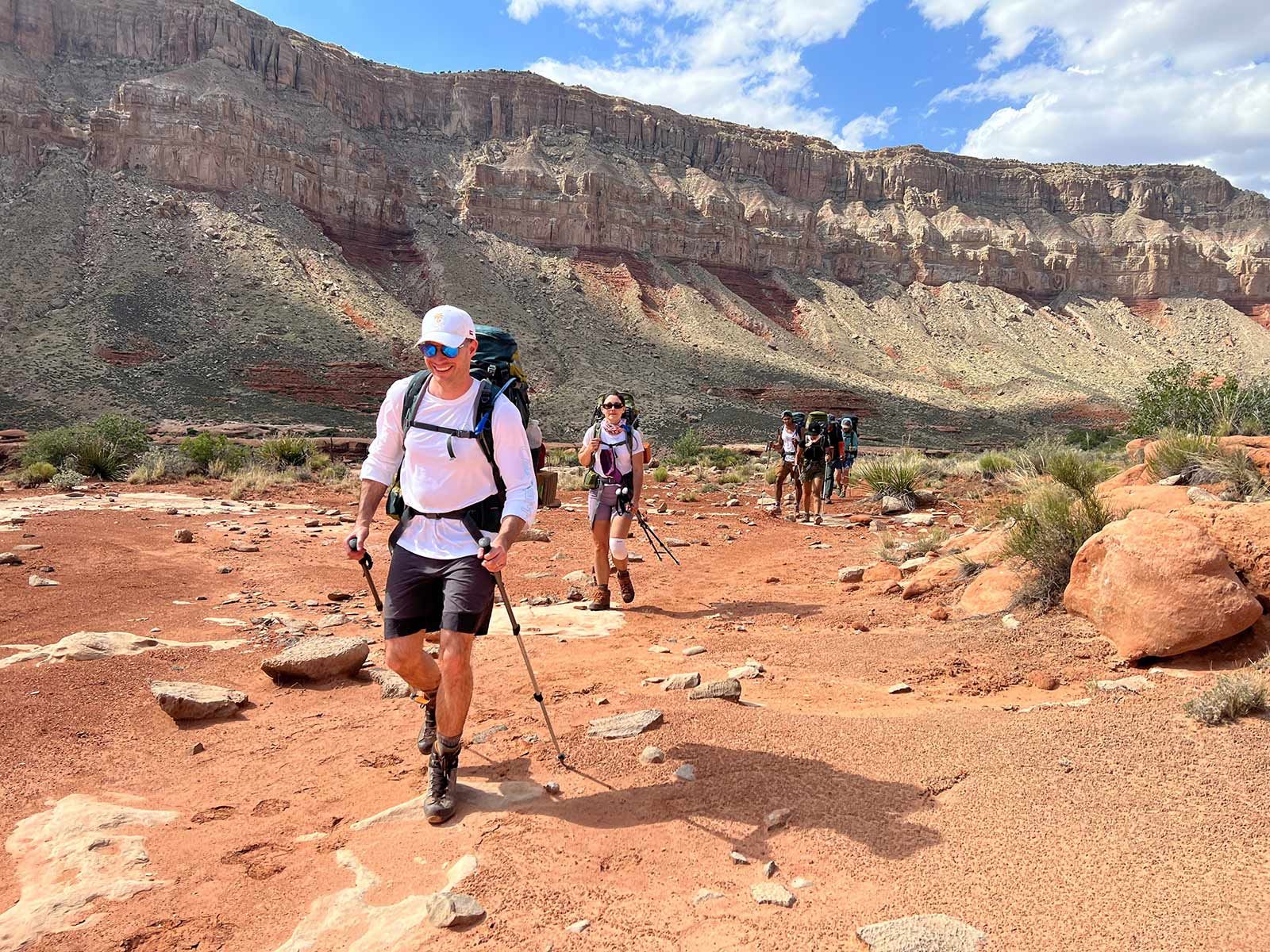
Planning for the Best AND the Worst
No matter what your hiking experience may be, you must be cautious. There are many trails in the Grand Canyon ranging in difficulty from beginner to expert. Even if you consider yourself an experienced, it can be worth considering an experienced guide when unfamiliar with a trail.
Buy some maps of the area and become familiar with them, noting distances between intended campsites and water sources and plan your itinerary carefully, being sure not to plan too many long-distance days. Make sure someone outside of your hiking party knows when you plan on being back. This way, if you run into problems, a rescue response can be executed as soon as possible.
Distance isn’t the only variable to consider when planning your hike each day. Grand Canyon hiking features lots of elevation change so those steep ascents and descents can make even a 5-mile day extremely demanding.
And don’t forget to consider the weather. Grand Canyon is known for hot summer temperatures (which can also hit in late spring and early fall). The heat will significantly diminish your stamina and require more frequent rest breaks, hydration, and food fuel. For those who prefer guided itineraries with comfort and structure, our basecamp hiking adventure offers a great way to explore while staying safe. Hike early in the morning and late afternoon and avoid midday heat. Rest in the shade and keep cool. If you’re near a stream or other water source, get your shirt soaking wet to take advantage of evaporative cooling. You can read more about staying cool and comfy in the heat in this previous article.
While hiking, it’s also very important to take frequent breaks to rest and refuel. Ten minutes rest for every hour of hiking is a good rule of thumb. Be sure to rest in the shade when it’s warm and drink plenty of fluids and snack on salty foods to replenish those lost electrolytes.
All Geared Up
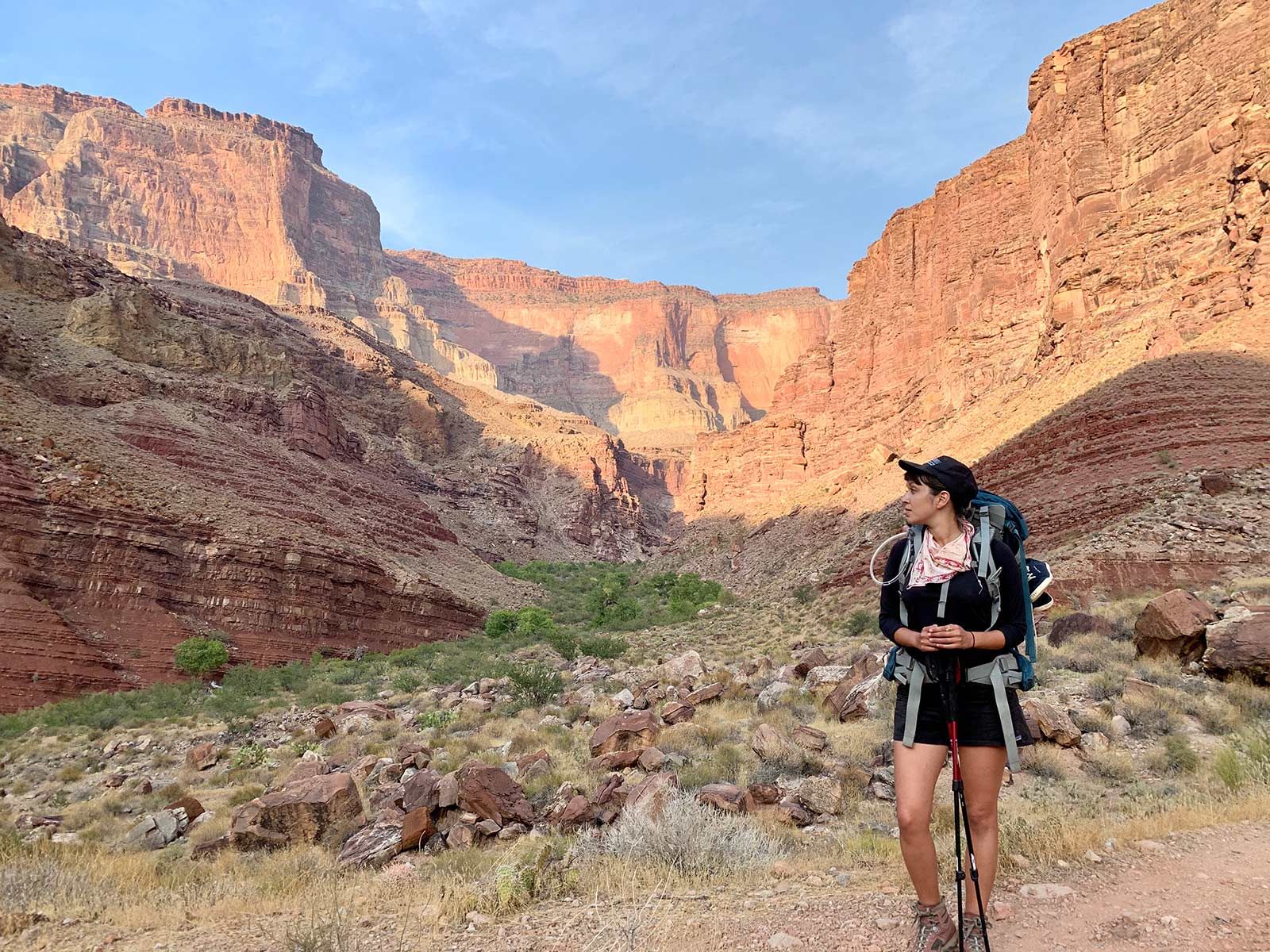
When preparing for your hike, plan to bring only what is necessary or essential for your hike’s duration and weather conditions. Don’t bring too many luxury items that will only weigh you down.
A few important items are proper clothing, trekking poles, water treatment, basic first-aid supplies, headlamp, utility knife, toilet supplies (hand trowel, TP, ziplock bags, hand sanitizer). You might also consider some sort of emergency communication device like a satellite phone or SPOT® device.
When packing gear and clothing, keep in mind your season of travel. Sunscreen and raingear are worth having year round.
Winter hiking requires a bit more gear and food in order to stay warm. Traction devices for your boots are often necessary on icy trails. And consider a closed-cell foam sleeping pad in addition to your air mattress. It will provide additional insulation while sleeping, as well as providing a comfy, insulated seat when hanging around camp.
And don’t forget to acquire the proper permits well in advance when camping in the Grand Canyon. If you’re planning a multi-day trek, explore our Grand Canyon backpacking trips for detailed itineraries and permit guidance.
Hiking Nutrition, in a Nutshell
Staying hydrated and fueled is definitely one of the highest priorities in keeping your hiking trip safe. Without fuel, you can’t keep going. Water is important to keep you hydrated, but if you’ll be out in the heat, you might consider an electrolyte drink as well. Sports drinks help replenish much needed electrolytes while hiking and can really help ‘quench’ that thirst.
Keep in mind that your body wants you to be healthy; if you feel thirsty or hungry while hiking, you may already be slightly dehydrated and under-fueled.
While packing foods for your trek, think energy. Nuts, trail mix, dried fruit, beef jerky, granola bars, crackers and nut butters are high in protein and carbs as well as light and easy to munch on. If you plan on hiking overnight, beans, rice, tuna and instant soups or noodles are easy to make and filling. You may also want to look into freeze-dried foods.
Safety and preparedness are essential when hiking in the Grand Canyon. They can literally be the difference between life and death. If you love desert landscapes, you might also enjoy our Utah and Sedona hiking destinations for similar terrain and safety tips. Remember that being overly prepared and cautious is always better than underprepared. For the ultimate in safety, the leadership of a professional guide provides extra assurance.
Additional Grand Canyon Safety Insights
Hikers often want to understand what happened at the Grand Canyon in past incidents to learn from mistakes. Most emergencies involve heat illness, overexertion, or slipping on loose terrain. Grand Canyon falling accidents are rare but usually happen when visitors get too close to the edge or ignore warning signs. Staying on marked trails and respecting railings is essential. This is especially true at viewpoints with steep exposure where people ask Is Ooh Aah Point dangerous. With proper awareness and guidance, these areas are safe to enjoy.
Rim-to-rim trails also draw questions about canyon guard and canyon security measures. While the park maintains safety railings, ranger patrols, and clear signage, personal responsibility is the most important part of staying safe. Following a trusted safety guide, especially from Four Season Guides, reduces risk while letting you focus on enjoying the hike.
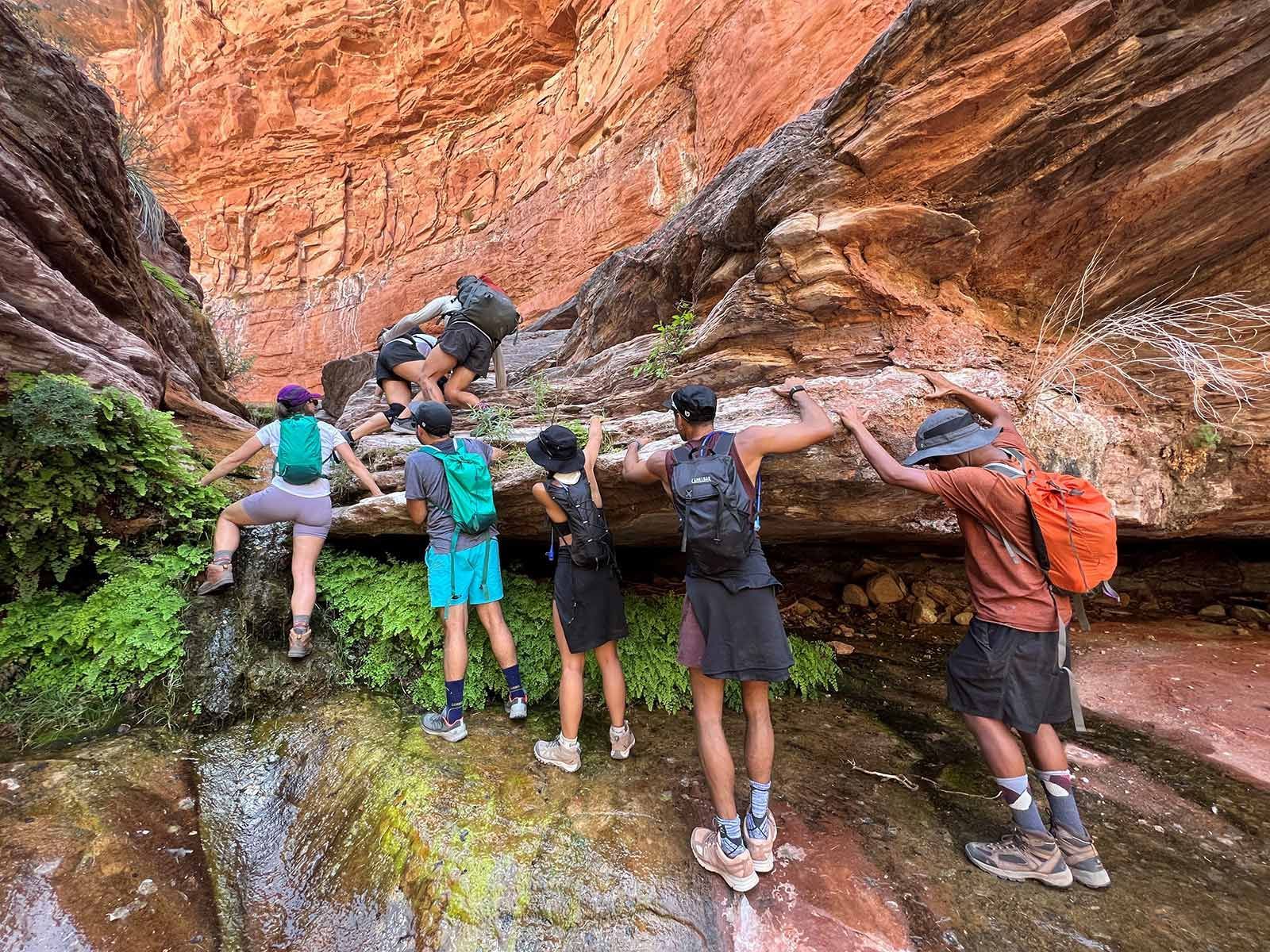
Understanding Off Limit Areas and Why They Matter
People frequently search for off limits Grand Canyon locations or why certain zones are blocked off. These closures protect fragile ecosystems, archaeological sites, and visitor safety. The canyon’s terrain changes due to erosion, flooding, and rockfall, which can temporarily create restricted areas of the Grand Canyon that were previously accessible. Some regions also contain sacred sites where public access is prohibited.
If you are unsure where you can hike, join a professional tour. Four Season Guides monitors closures daily so your route avoids forbidden areas of the Grand Canyon and keeps your trip running smoothly.
Wildlife Awareness for a Safer Experience
While most wildlife encounters are positive, hikers should still be informed about dangerous animals in the Grand Canyon. Ravens may steal food, bighorn sheep can block narrow trails, and rattlesnakes are occasionally seen. Bears in the Grand Canyon are uncommon and mostly found in forested North Rim environments.
Learning about wildlife at the Grand Canyon helps you stay alert and respectful. Store food securely, give animals space, and avoid approaching wildlife for photos. Guided trips help ensure safe distances and proper behavior in wildlife zones.
Visiting the Grand Canyon With Dogs
Many visitors plan road trips and ask Can you take dogs to the Grand Canyon or Are dogs allowed in the Grand Canyon National Park. Dogs are allowed on certain paved paths, including parts of the Rim Trail, but they cannot go below the rim. These pet restrictions are designed to protect dogs from extreme heat, steep cliffs, and wildlife hazards.
If you are unsure which routes are dog-friendly, contact Four Season Guides before your hike so you can plan the safest experience for both you and your pet.
Elevation, Height and Trail Planning
Understanding Grand Canyon elevation in feet and how high the Grand Canyon rises above sea level helps hikers prepare physically. Altitude can affect breathing, stamina, and hydration needs. The south rim sits near seven thousand feet, while the north rim is even higher. The canyon itself cuts more than a mile deep, which leads visitors to ask how deep is the Grand Canyon in feet.
Elevation affects weather changes every season. Storms form quickly at higher altitudes, while the inner canyon can be thirty degrees hotter. Always check conditions before hiking, especially in winter or early spring.
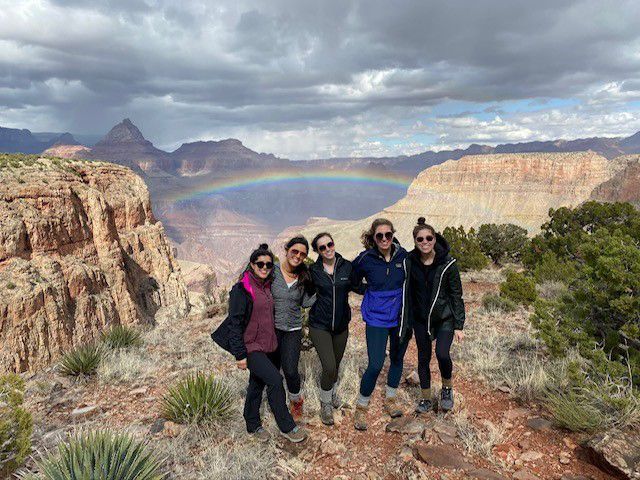
Seasonal Weather and When to Visit
Visitors often ask is there snow in the Grand Canyon right now. Winter storms can cover the rim in snow and leave ice on trails. In contrast, summer heat can be extreme. Monitoring weather closely helps you choose safer hiking windows and avoid dangerous temperature swings.
We recommend early morning starts and shaded rest stops for those visiting during peak heat. If you want reliable updates, check our edge weather blog for seasonal conditions and trip planning guidance.
Essential Grand Canyon Trip Tips
If you are building an itinerary, consider the most searched topics like tips for visiting the Grand Canyon, tips for visiting the Grand Canyon South Rim, and general Grand Canyon advice for first timers. Smart preparation reduces the likelihood of emergencies and improves your hiking experience.
Additional considerations include
• using the right trekking poles for steep ascents and descents
• understanding shuttle routes and distances
• knowing the Grand Canyon to Page distance if combining destinations
• learning rails to the rim Grand Canyon viewpoints for safe photography
Whether you are hiking for a day or planning a multi day trek, a detailed Grand Canyon guide reduces risk and helps you enjoy the park with confidence.
Frequently Asked Questions
Practical safety tips and preparation advice for hiking the Grand Canyon, including planning, gear, hydration, and nutrition essentials.
How should I prepare for a Grand Canyon hike?
Plan ahead by studying maps, noting distances between campsites and water sources, and considering elevation changes. Share your itinerary with someone who’s not hiking with you. Always prepare for both the best and worst conditions, and avoid overestimating your stamina in the canyon’s challenging terrain.
What are the biggest safety risks when hiking the Grand Canyon?
Heat exhaustion, dehydration, and overexertion are the main risks. The steep terrain, unpredictable weather, and long distances can also pose challenges. Proper planning, hydration, and pacing are crucial to prevent accidents and health issues.
When is the best time of day to hike the Grand Canyon?
Hike early in the morning and late in the afternoon to avoid the intense midday heat. Rest in shaded areas during the hottest hours and use evaporative cooling—like wetting your shirt—to stay comfortable and prevent overheating.
What should I pack for a Grand Canyon hiking trip?
Bring only essential gear: proper clothing, trekking poles, water treatment, first-aid kit, headlamp, utility knife, toilet supplies, and an emergency communication device. Adjust your gear for the season, adding sunscreen, raingear, or traction devices for icy winter conditions.
How can I stay hydrated and fueled while hiking?
Drink water regularly and supplement with electrolyte drinks, especially in the heat. Snack frequently on salty, high-energy foods like nuts, trail mix, jerky, and granola bars to maintain stamina and replace lost nutrients.
How much rest should I take while hiking?
Take about ten minutes of rest for every hour of hiking. Use these breaks to rehydrate, snack, and cool off in shaded areas. Regular short rests help prevent fatigue and reduce the risk of heat-related issues.
Do I need a permit to hike or camp in the Grand Canyon?
Yes. Overnight trips require permits that should be obtained well in advance. If you’re unfamiliar with the process, consider joining a guided backpacking or basecamp trip that includes permit assistance and professional safety oversight.
What kind of food is best for longer hikes?
Pack lightweight, high-calorie foods like dried fruit, nuts, nut butter, crackers, and freeze-dried meals. For overnight trips, simple options such as instant soups, rice, and tuna are easy to prepare and provide lasting energy.
How can I stay safe when hiking alone in the Grand Canyon?
If hiking solo, inform someone of your exact route and expected return time. Carry an emergency communication device, bring adequate food and water, and stick to marked trails. Avoid pushing beyond your limits, especially in extreme temperatures.
What should I do if I start feeling overheated or dehydrated?
Stop hiking immediately, rest in the shade, and drink fluids—preferably with electrolytes. Loosen tight clothing, wet your shirt or hat, and cool your body gradually. Resume hiking only when you feel stable and hydrated.
Four Season Guides, 506 N Grant St suite o, Flagstaff, AZ 86004, United States
+19285251552
35.19653980, -111.62000560
Read More