What It's Like to Visit Sedona in April
April is one of the best times to visit
Sedona. Spring is in full effect across the red rock country, with comfortable daytime temperatures, blooming desert wildflowers, and trails that are at their absolute peak before the summer heat arrives. Whether you're a first-time visitor planning a long weekend or an avid hiker mapping out a multi-day route, knowing what to expect in April will help you make the most of your Sedona trip.
Key Takeaways
- April is the sweet spot in Sedona—daytime highs in the mid-70s°F, cool mornings, and no monsoon rain yet, with most trails fully open and snow long gone from higher viewpoints.
- Wildflowers (penstemon, prickly poppy, Indian paintbrush) peak in April, especially on lower-elevation trails like Bell Rock, Courthouse Butte, and the Templeton Trail.
- Crowds build through April as Easter and spring break drive visitation—book lodging early and start trails by 7 a.m. on weekends to find parking at popular trailheads.
- Bell Rock, Cathedral Rock, Devil's Bridge, and West Fork are at their best in April, with manageable temperatures for sunrise and sunset hikes.
- Sedona sits at 4,350 ft elevation—the air feels great compared to Phoenix, but visitors from sea level should allow a day to acclimate before tackling steep ascents.
- Booking a
guided hike with Four Season Guides ensures permit-managed access to less-crowded routes and expert insight into the geology, ecology, and best photo spots.
Sedona Weather in April: What to Expect
April marks Sedona's transition from cool spring mornings to warm afternoons, making it arguably the most comfortable month of the year for hiking.
- Daytime highs: 70°F to 78°F (21°C to 26°C). Sunny days are the rule; rain is rare in April (under an inch on average).
- Mornings and evenings: 40°F to 50°F (4°C to 10°C). Mornings start crisp—bring a light layer for early starts.
- Higher elevations: West Fork (5,500 ft) can be 5–10°F cooler than downtown Sedona. Pockets of snow may linger in shaded canyons in early April.
- Late April warming: by the last week of April, afternoon temperatures occasionally touch the low 80s—plan strenuous hikes for morning starts.
Advantages of Visiting Sedona in April
1. Ideal Hiking Conditions
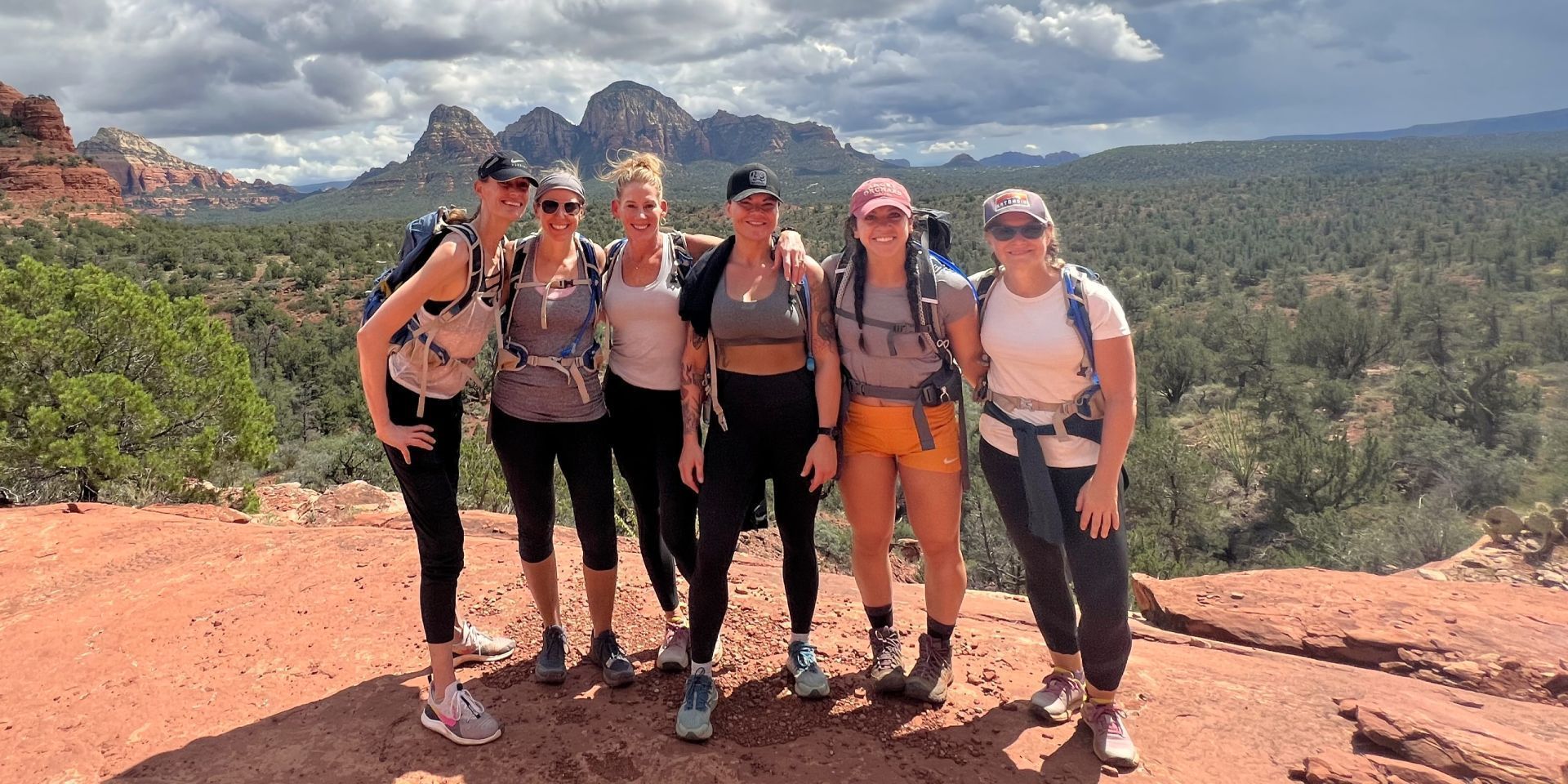
April delivers the rare combination of warm-but-not-hot temperatures, low humidity, and zero monsoon risk. Trails like Cathedral Rock, Devil's Bridge, and Bear Mountain are walkable from sunrise through late afternoon without the heat exhaustion concerns of June through September.
2. Wildflower & Greenery Peak
Late March through mid-May is Sedona's wildflower season. Indian paintbrush, desert globemallow, and prickly pear blooms contrast with the red rock in ways photographers wait all year for. Lower-elevation trails (Bell Rock Pathway, Templeton) show the most color.
3. Manageable Crowds (Mostly)
April visitation builds week to week, but mid-week and early-morning starts still feel quiet compared to the summer peak. Avoid Easter weekend and the last week of March (spring break) if you want lighter foot traffic at the most photographed viewpoints.
Challenges of Visiting Sedona in April
1. Trailhead Parking Pressure
Sedona's parking is the gating factor at popular trailheads. Cathedral Rock, Devil's Bridge, and Soldier Pass lots fill by 8 a.m. on weekends in April. Arrive at sunrise or use the Sedona Shuttle system for the most-impacted trails.
2. Temperature Swings
A 30°F swing between dawn and afternoon is normal. Plan for layering: a fleece or wind shell for the start of a hike, lightweight sun protection for the middle, and sunscreen at all times even on cool mornings.
3. Easter & Spring Break Surge
Easter weekend and the late-March to early-April spring break window are the busiest times of the year in Sedona. Lodging rates spike and trail crowds peak. Visiting after April 10 (post-Easter) gives you most of April's weather benefits with materially smaller crowds.
Best Activities for April Visitors
- Hiking: Cathedral Rock, Bell Rock, Devil's Bridge, West Fork (best in April for the running creek and shaded slot), and the longer Boynton Canyon if you want a half-day route.
- Sunrise photography: Airport Mesa, Cathedral Rock, and the Crescent Moon Picnic Area frame Cathedral Rock's reflection in Oak Creek—April light is golden and shadows are dramatic.
- Mountain biking: cooler temperatures make the Hiline Trail and Hangover Trail far more pleasant than they will be in May. Bring more water than you think you need.
- Guided hiking trips: a
Four Season Guides day hike gets you to less-crowded routes, with geology context and route logistics handled.
When Is the Best Time to Visit Sedona?
April is widely considered Sedona's best month, but it depends on what you're optimizing for:
- March–May: ideal hiking weather, wildflower season, moderate crowds. Best overall window.
- June–August: hot afternoons (highs 90°F+); start hikes at sunrise or skip the strenuous routes. Summer monsoon storms (July–August) bring dramatic skies but flash flood risk in slot canyons.
- September–November: similar to spring with cooler temperatures and fall color. October is a strong alternative to April.
- December–February: cold mornings (sometimes below freezing), occasional snow at upper viewpoints, but the most solitude of any month.
What to Pack for Sedona in April
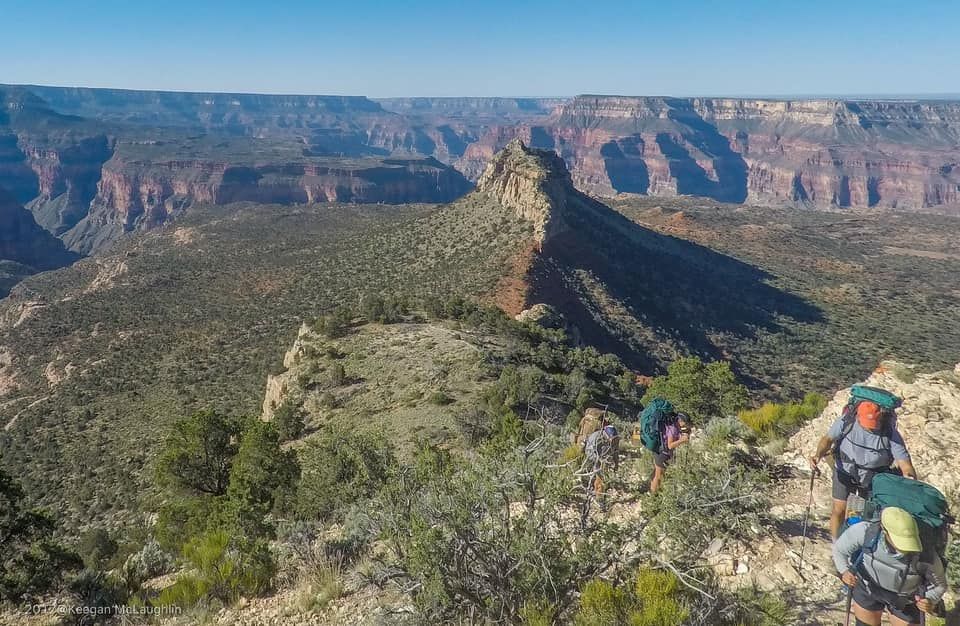
Sedona's April weather swings from 40°F mornings to high-70s afternoons. Layering and sun protection are non-negotiable.
- Lightweight, moisture-wicking sun shirt (long sleeves for UV protection at 4,350 ft)
- Convertible hiking pants or shorts (afternoons warm up fast)
- Fleece or wind shell for sunrise starts and dawn photography
- Trail running shoes or light hiking boots with sticky-rubber soles (slickrock can be slippery)
- Wide-brim hat — Sedona's sun is intense even at 70°F
- Polarized sunglasses (cuts glare off the red rock dramatically)
- High-SPF mineral sunscreen (the dry air dehydrates skin fast)
- 1.5–2 L of water per person for half-day hikes; 2.5–3 L for full-day routes
- Trail snacks: salty + sweet combo for sustained energy
- Headlamp if starting before sunrise on Cathedral Rock or Devil's Bridge
Where to Stay in Sedona
Sedona's lodging fills 6+ months ahead for April weekends. Here's where to look:
- Uptown Sedona: Best for walkability to restaurants and galleries; hotels like L'Auberge de Sedona and Amara Resort offer premium creekside locations.
- West Sedona: Lower prices, closer to trailheads like Devil's Bridge and Soldier Pass. Mid-range chains (Best Western, Hampton Inn).
- Village of Oak Creek (10 min south): Quieter, often slightly cheaper, with easy access to Bell Rock and Courthouse Butte trails.
- Camping: Manzanita Campground along Oak Creek is first-come-first-served and fills early on April weekends; Pine Flat Campground higher up the canyon is reservable.
- Glamping: Hipcamp and similar platforms have boutique tent/yurt options on private land in the Sedona/Cottonwood area.
Pro Tips for Visiting Sedona in April
After years of guiding April trips, here's what separates a smooth Sedona experience from a frustrating one:
- Cathedral Rock requires shuttle-only access from a satellite lot. Check the Sedona Shuttle schedule before arriving — driving up the spur road won't get you a parking spot.
- Devil's Bridge has TWO trailhead options: Dry Creek Road (long but accessible to all vehicles) or Dry Creek 4WD Trail (shorter but high-clearance only). Check current road conditions before choosing.
- If you're shooting Cathedral Rock at sunrise, position at Crescent Moon Picnic Area for the iconic reflection in Oak Creek — but arrive 45 min before sunrise to get setup before tour vans fill the spots.
- April Easter weekend is the single busiest weekend of the year in Sedona. Hotel rates spike 30–50%. Visiting the week before or after is materially less stressful.
- Vortex sites get crowded by 10 a.m. — Bell Rock and Airport Mesa are best at sunrise for both photos and the contemplative quiet that makes vortex visits worthwhile.
- Don't underestimate the altitude. Sedona is 4,350 ft; visitors from sea level should arrive a day before strenuous hiking to acclimate.
Frequently Asked Questions
Is April a good month to visit Sedona?
Yes—April is widely considered one of Sedona's best months. Daytime highs in the mid-70s°F, wildflower bloom, low rain risk, and trails fully open. The only caveat is crowd density around Easter and spring break.
What is the weather like in Sedona in April?
Expect daytime highs between 70°F and 78°F and overnight lows around 40°F–50°F. Sunny days dominate and rainfall is rare (under an inch all month). Pack layers for the temperature swing between dawn and afternoon.
How crowded is Sedona in April?
Moderately busy and building through the month. Easter weekend and the late-March spring break window are the busiest. After April 10, weekdays feel manageable; weekends still require early-morning trailhead arrivals.
Are wildflowers blooming in Sedona in April?
Yes—April is peak wildflower season in Sedona's lower elevations. Look for Indian paintbrush, desert globemallow, prickly pear blooms, and penstemon along Bell Rock Pathway, the Templeton Trail, and Boynton Canyon.
What hikes are best in Sedona in April?
Cathedral Rock (steep but iconic), Devil's Bridge (a moderate out-and-back with the dramatic arch payoff), Bell Rock (easy with vortex lore), West Fork (creek crossings, shaded), and Bear Mountain (strenuous and quieter).
Do I need a parking permit or pass in Sedona?
Most Coconino National Forest trailheads in Sedona require a Red Rock Pass ($5/day or $15/week), available at trailhead kiosks. Some trailheads (Devil's Bridge, Soldier Pass) have additional capacity limits—check Sedona Shuttle service before arrival.
How many days do I need in Sedona in April?
Two to three days lets you hit the iconic viewpoints (Cathedral Rock, Bell Rock, Devil's Bridge) plus one longer hike. Add a fourth day for West Fork or a day trip to the Grand Canyon (2 hours north).
What should I wear hiking in Sedona in April?
Layers. Start mornings with a fleece or wind shell over a sun shirt. Hiking pants or shorts (depending on personal preference), trail runners or light hiking boots, a wide-brim hat, and high-SPF sunscreen are essential. UV is strong even on cool mornings at 4,350 ft elevation.
Is the Pink Jeep tour worth it in April?
Yes for first-time visitors. The Broken Arrow tour goes to viewpoints not easily accessible on foot in a half-day. April is ideal because tour vehicles are less heat-stressed than in summer.
What is Sedona's elevation?
Downtown Sedona sits at 4,350 ft. Trailheads range from 4,200 ft (Crescent Moon) to ~5,500 ft (West Fork). Visitors arriving from sea level should expect mild altitude effects on the first day—drink extra water and ease into strenuous hikes.
Plan Your Sedona Adventure with Four Season Guides
April in Sedona is one of those windows where everything aligns: weather, wildflowers, and trail conditions. A guided trip with Four Season Guides handles the parking, permits, and route choice for you—and gets you onto trails most visitors never find.
Contact Four Season Guides today to book your Sedona adventure and experience the red rock country in its best season.
Four Season Guides, 506 N Grant St suite o, Flagstaff, AZ 86004, United States
+19285251552
35.19653980, -111.62000560
Read More