Tour du Mont Blanc Packing List: What to Bring & Skip
A Tour du Mont Blanc packing list for a lodge-based trek comes down to two bags: a 20-to-30-liter daypack with water, layers, a rain shell, and sun protection, and a transported duffel (about 33 pounds max) with evening clothes. Leave the tent, sleeping bag, and camp stove at home.
Key Takeaways
- On a lodge-based Tour du Mont Blanc, you carry only a daypack each day. Your main bag is moved ahead to that night's inn, which changes the whole packing list.
- Pack two bags: a 20-to-30-liter daypack for the trail, and a transported duffel or suitcase for evenings and spare clothing.
- Build a layering system for fast-changing Alpine weather: a wicking base layer, a warm mid-layer, and a waterproof shell. Bring less than you think and re-wear your hiking clothes.
- You do not need a tent, sleeping bag, camp stove, or a 40-liter-plus backpacking pack. Most TMB lists online are written for camping or carrying everything yourself.
- Broken-in boots, good socks, a rain shell and trekking poles are the non-negotiables.
Search "Tour du Mont Blanc packing list" and you will find page after page telling you to pack a tent, a sleeping bag liner, a camp stove and a 35-liter backpacking pack. That is great advice if you are camping or hauling your own gear hut to hut. It is the wrong list entirely if your bag is being carried for you.
This is the lodge-based version: what you actually need when you sleep in comfortable inns and walk each day with a light pack. It is shorter, lighter and a lot less stressful, and it is exactly what we hand our own guests on our trips in the Alps.
How Packing Works on a Lodge-Based Tour du Mont Blanc
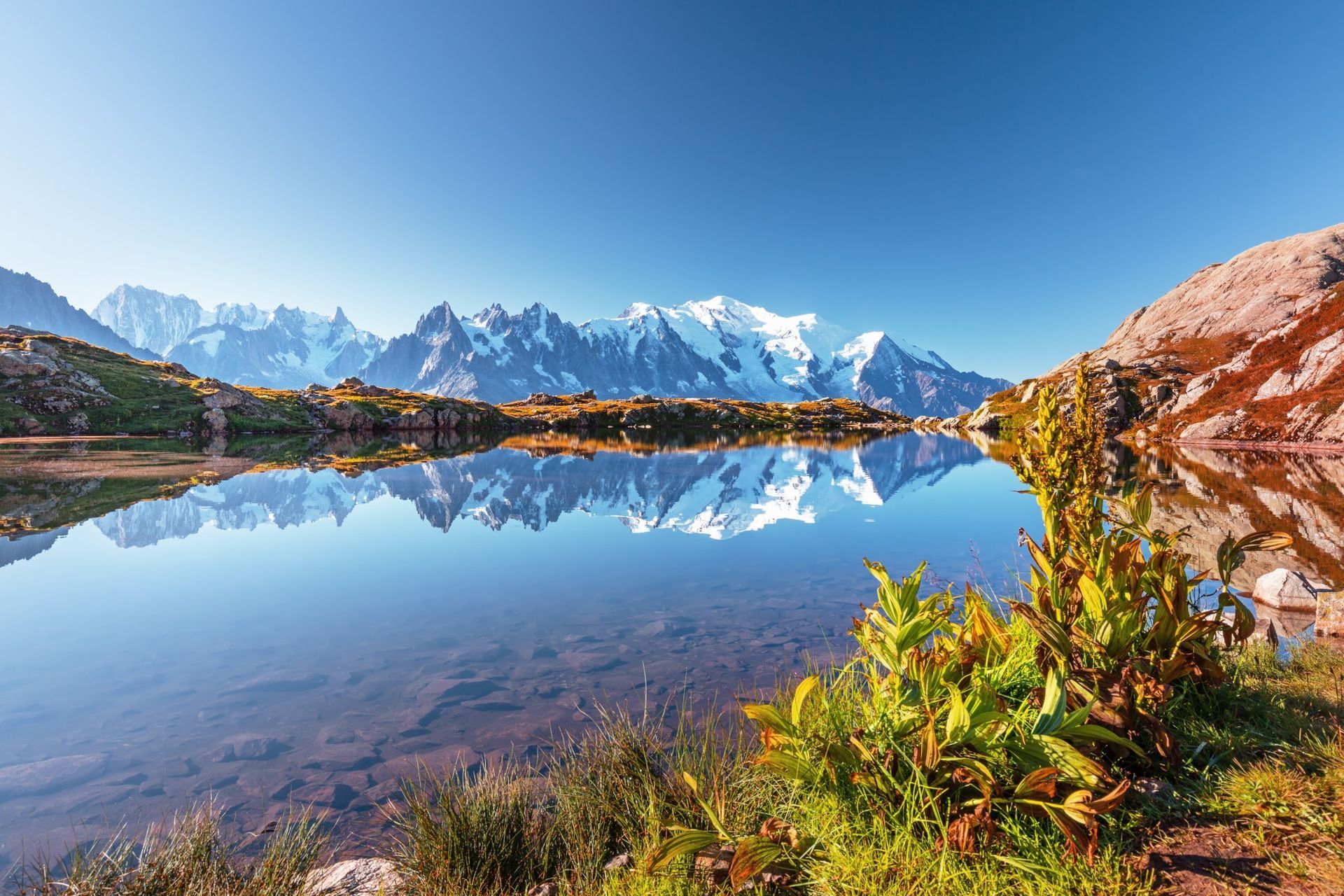
The whole list flows from one fact: you are not carrying your luggage. On our lodge-based Tour du Mont Blanc trek, your main bag is transported ahead to each night's inn (one bag per person, up to about 33 pounds) while you hike with only a daypack.
So think in two bags:
- Your daypack: the 20-to-30-liter pack you carry all day with water, layers, lunch and the day's essentials.
- Your main bag: the duffel or suitcase that meets you each evening with dry clothes, toiletries and everything you do not need on the trail.
Get that split right and the rest of the list falls into place.
Your Daypack: What to Carry on the Trail Each Day
This is the pack on your back from breakfast to your evening inn. Keep it light but complete:
- 20-to-30-liter daypack with a rain cover
- Water, around two liters, in bottles or a bladder you bring yourself
- Waterproof shell jacket (Alpine weather turns fast)
- A warm layer for cold passes and wind
- Sun protection: brimmed hat, sunglasses, high-SPF sunscreen, lip balm
- Snacks for the trail, plus your packed lunch
- Trekking poles
- Small first-aid and blister kit
- Small headlamp (you bring your own; it is not provided)
- Phone or camera, and a little cash for mountain cafes
- Map or offline navigation, and a power bank
Your Transported Bag: Evening and Spare Clothing
This bag travels ahead and meets you at the inn, so it holds everything that makes the evenings comfortable and the next day fresh:
- Comfortable evening clothes and lightweight shoes
- A spare set of hiking clothes (you can re-wear and rotate)
- Sleepwear and a few changes of underwear and socks
- Toiletries and any chargers
- A light travel towel if you prefer your own
Pack it well within the transported-bag limit (about 33 pounds, one bag per person) and resist the urge to bring your whole closet. Inns mean you can wash and dry small items along the way.
The Layering System: What to Wear on the Tour du Mont Blanc
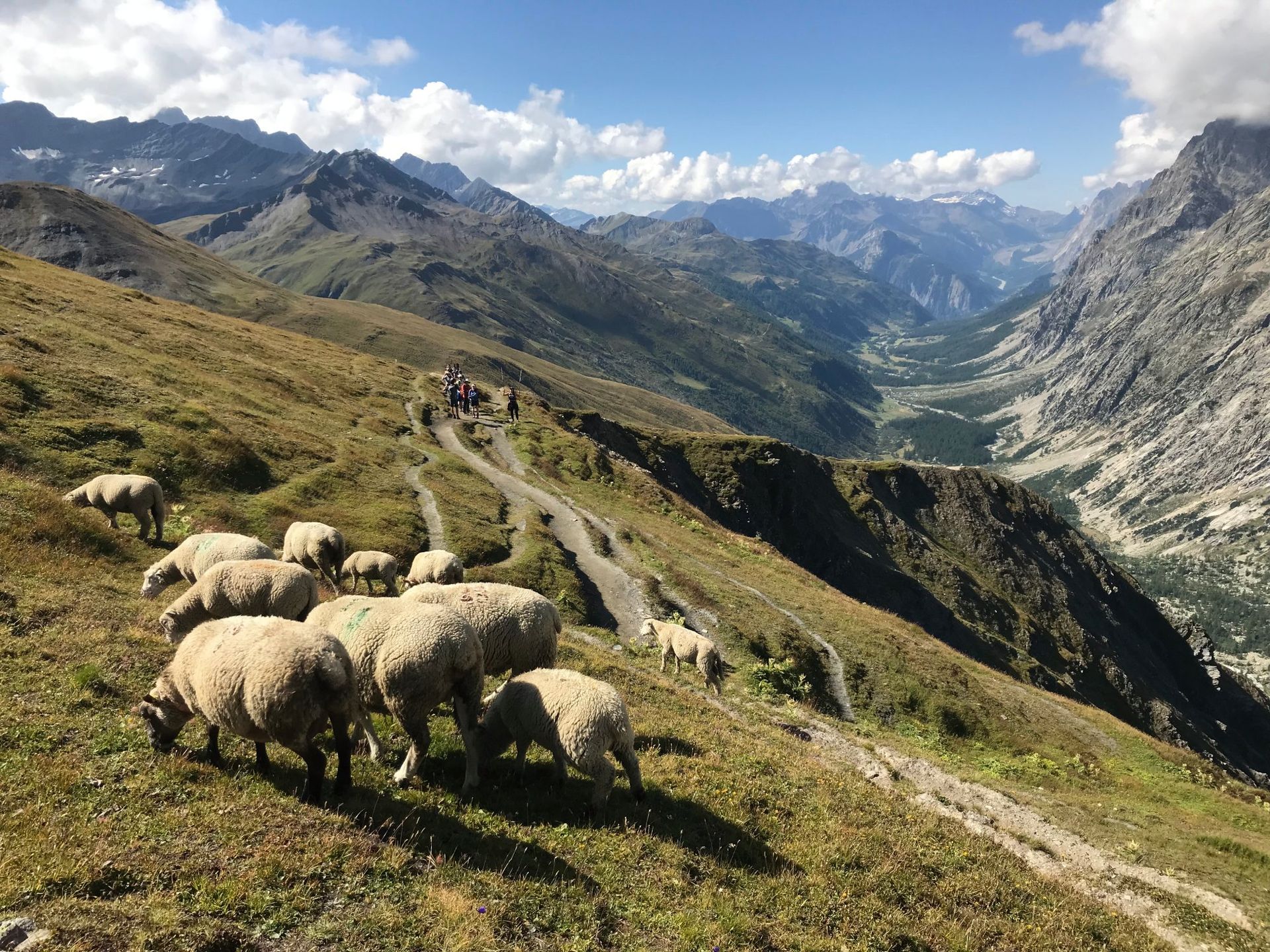
Alpine weather can hand you sun, wind, rain and a cold pass in a single afternoon, so you dress in layers you can add and shed:
- Base layer: wicking shirts (merino or synthetic), not cotton. Two or three is plenty.
- Mid layer: a fleece or light insulated jacket for warmth on the passes and chilly mornings.
- Waterproof shell: a good rain jacket, and waterproof trousers for wet days.
- Hiking bottoms: shorts plus a pair of hiking trousers for cold, wind or sun.
- Extras: a warm hat and gloves for the high cols, even in summer.
The honest secret of packing well here is restraint: you will re-wear most of these, and lighter is happier on a long day.
Footwear and Socks
Your feet do the work, so treat them well:
- Hiking boots or trail shoes that are well broken in over real miles, never new on day one.
- Wool hiking socks , with spares, plus liners if you are blister-prone.
- Lightweight camp or town shoes for resting your feet at the inn each evening.
What Your Tour du Mont Blanc Packing List Does NOT Need
This is the section the other lists will not give you. Because you sleep in inns and your bag is carried, you can leave all of this at home:
- A tent
- A sleeping bag or sleeping-bag liner: you sleep in alpine inns, lodges and chalets with beds, not in campsites or self-service huts
- A camp stove, cookset or mess kit
- A water filter or purifier for camp
- A large 40-liter-plus backpacking pack
Skipping the camping kit is the difference between a tiring, overstuffed pack and a light, easy daypack. Pack for the trail, not for a campsite you will never use.
Documents, Money and Travel Essentials
Tucked in your daypack or your pocket, not your transported bag:
- Passport and a copy of your bookings
- Travel insurance details
- Euros and Swiss francs, plus a card (you cross France, Italy and Switzerland)
- Phone with offline maps downloaded
- Plug adapters for European and Swiss outlets
Toiletries and a Small First-Aid Kit
Keep both minimal. A quick-dry towel, the basics, and your personal medications go in the main bag; a small daytime kit rides in your daypack:
- Blister care (the most common trail injury, by far)
- A few plasters, tape, painkillers, any personal meds
- Sunscreen and lip balm topped up daily
Packing by Season: July vs. September
The list stays mostly the same, but the weather dial moves (for the full picture, see our month-by-month Tour du Mont Blanc weather guide):
- High summer (July and August): the warmest, most settled weather of the season, busier trails, and afternoon thunderstorms after hot mornings. Lean a little lighter, but never skip the shell and a warm layer for the passes.
- Shoulder months (June and September): cooler and quieter. June can still hold lingering snow on the high passes; September brings crisper days, colder nights and shorter daylight. Add insulation and make sure your waterproofs are genuinely waterproof.
A Few Notes for Women Hikers
Most of the list is the same for everyone, with a few practical add-ons: a sports bra you trust over long days, any personal-care items you prefer to have on the trail rather than waiting for the inn, and a layering setup that fits well under a daypack. Pack for comfort over six-hour days, not for fashion.
Your Tour du Mont Blanc Packing Checklist
Use the lists above as your checklist, daypack on one side, main bag on the other, and tick as you go. For a general-purpose version that covers our other trips, see our hiking packing checklist.
What Four Season Guides Provides, So You Can Pack Light
The reason this list is so much shorter than the camping versions is the trip itself. On our lodge-based Tour du Mont Blanc trek, your luggage is moved between inns, your nights are spent in comfortable accommodations, your meals are taken care of, and hiking gear like trekking poles and packs is provided, so all you carry is a light daypack and all you bring is yourself. For a head start on the rest of your preparation, see our Tour du Mont Blanc training plan and more on hiking in the Alps.
Frequently Asked Questions
What should I pack for the Tour du Mont Blanc?
On a lodge-based trip: a daypack with water, layers, a rain shell, sun protection, snacks and poles, plus a transported bag with evening clothes and toiletries. You can skip all camping gear.
What size backpack do I need for the Tour du Mont Blanc?
On a lodge-based, luggage-transported trip a 20-to-30-liter daypack is plenty. You only need a 40-liter-plus pack if you are camping or carrying everything yourself.
Do I need a sleeping bag or tent for the TMB?
Not on a lodge-based trip. You sleep in alpine inns, lodges and chalets with beds, so tents, sleeping bags and liners are only for camping or self-service hut itineraries.
What should I wear on the Tour du Mont Blanc?
Layer up: a wicking base, an insulating mid-layer and a waterproof shell, plus hiking shorts or trousers, a hat and gloves. The weather shifts quickly, so pack for sun, wind and rain.
How much luggage can be transported between inns?
One bag per person, up to about 33 pounds, is transported to each night's inn, so pack within that and keep the day's needs in your daypack.
Do I need crampons or technical gear for the TMB?
Generally no for the standard route in season. Conditions vary year to year, and your guides will advise before departure if any seasonal traction is recommended.
Four Season Guides, 506 N Grant St suite o, Flagstaff, AZ 86004, United States
+19285251552
35.19653980, -111.62000560
Read More