Tour du Mont Blanc Weather: A Month-by-Month Guide
Tour du Mont Blanc weather is high-Alpine and changeable. The hiking season runs late June to mid-September: valleys are warm while the passes stay cold and windy, July and August bring afternoon thunderstorms, June can hold lingering snow, and September turns cool and quiet. Pack layers and start early in any month.
Key Takeaways
- The Tour du Mont Blanc hiking season runs roughly late June to mid-September. July and August are warmest and busiest; June and September are quieter.
- Alpine weather is volatile. Valleys can be warm while the high passes are cold, windy and prone to afternoon thunderstorms, sometimes all on the same day.
- Expect snow on the high passes into June, and the chance of a dusting any month. Bring layers for everything from strong sun to sleet.
- Valley forecasts, like Chamonix's, do not reflect the exposed passes. Use mountain-specific forecasts and webcams, and start early to beat afternoon storms.
- On a guided trip, the guides track the forecast, adjust the route and pace, and use cable-car alternatives when needed, so you do not have to gamble on the weather.
Ask anyone who has hiked the Tour du Mont Blanc what they worried about most, and the answer is rarely the climbs or the distance. It is the weather. This is high Alpine country, and conditions here can swing from t-shirt sun to a cold, sleeting pass in the space of an afternoon.
The good news is that the season is predictable in its broad strokes, even if any given day is not. Here is what to expect month by month, when to go for what you want, and how to make smart decisions once you are on the trail.
Why Weather Makes or Breaks the Tour du Mont Blanc
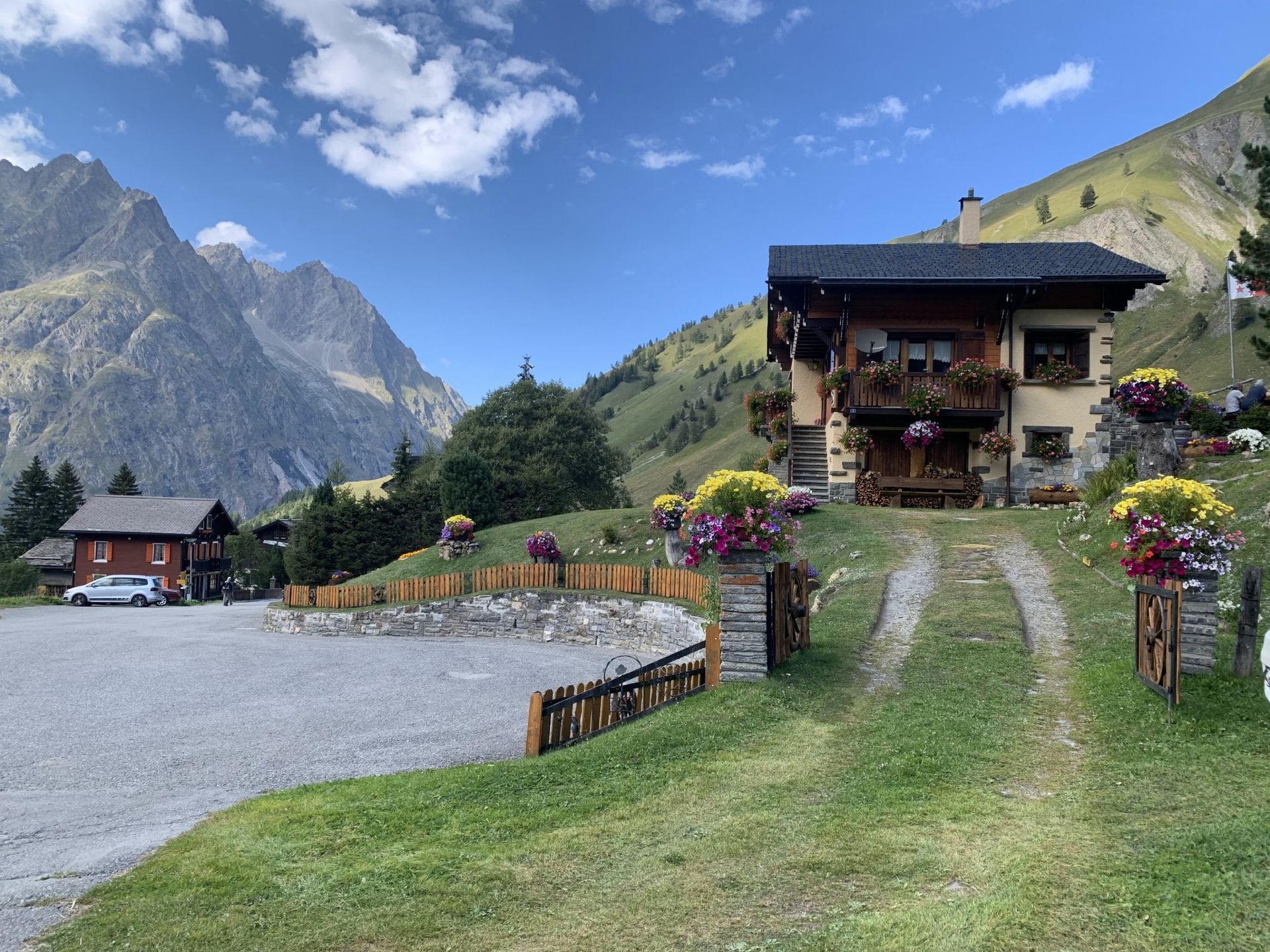
The TMB circles the Mont Blanc massif through France, Italy and Switzerland, crossing a series of high passes. Down in the valleys it can feel like a warm summer holiday; up on an exposed col a few hours later, the wind and cloud can make it feel like a different season. That gap between valley and pass is the thing to plan around, and it is why "what's the weather like?" has no single answer here.
It also means weather is more than a comfort question; it shapes your day. A storm rolling over a high pass changes the smart route. Knowing that going in, and having a plan for it, is half of a good TMB.
The Tour du Mont Blanc Hiking Season at a Glance
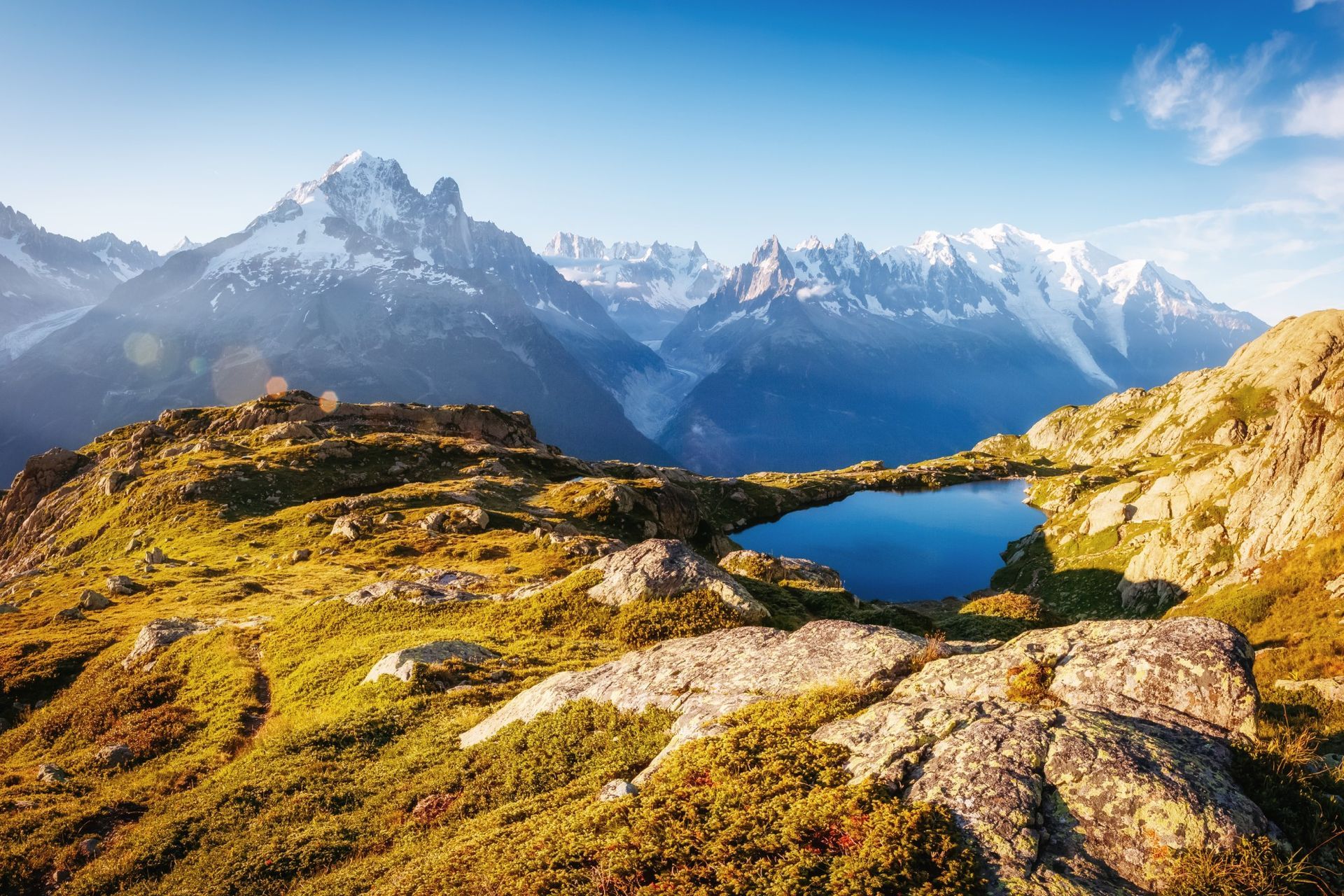
The window is short. Snow lingers on the passes into early summer, and autumn storms close it down again, so the practical season is roughly late June to mid-September . Inside that window:
- June: quieter trails, but more lingering snow up high and more weather variability.
- July and August: the warmest, most reliable, and most crowded months.
- September: cooler, crisper and calmer, with thinner crowds but shorter days.
The rest of this guide breaks each of those down.
Tour du Mont Blanc Weather Month by Month
June. Early-season magic with an asterisk. The meadows are green, wildflowers are coming on, and the trails are at their quietest. But the high passes can still hold snow well into the month, which can mean detours or extra care, and the weather is more changeable than midsummer. A good choice if you value solitude and come prepared for cold and snow up high.
July. Warm, settled and busy. Long daylight, the most reliable conditions of the year, and the trails and refuges at their fullest. Valley temperatures typically sit in the 60s and 70s Fahrenheit while the high passes average far cooler, around 50 F. The catch is the afternoons: warm, humid days build thunderstorms over the peaks, so early starts pay off.
August. Peak summer, peak crowds. Similar to July, often the warmest, with the same afternoon-storm pattern and the busiest huts of the season. A sudden cold front can still dust the passes with snow even now. Book ahead and start early.
September. Many hikers' quiet favorite. Cooler, crisper days, often between 50 and 68 F, thinner crowds, and the first hints of autumn color. The trade-offs are shorter daylight, genuinely cold nights, and a higher chance of an early-autumn storm or cold snap, so build in a little buffer.
Temperatures: Valley vs. High Passes
The number that fools people is the valley temperature. A warm afternoon in Chamonix tells you very little about the col you will cross tomorrow. Midsummer valley days often reach the 70s or low 80s F, while the exposed passes run far colder and windier, and nights can drop toward 40 F even after a hot day.
As a rule of thumb, temperatures fall a few degrees for every thousand feet you climb. Pack as if you will see both extremes, because you will.
Snow on the Trail, Even in Summer
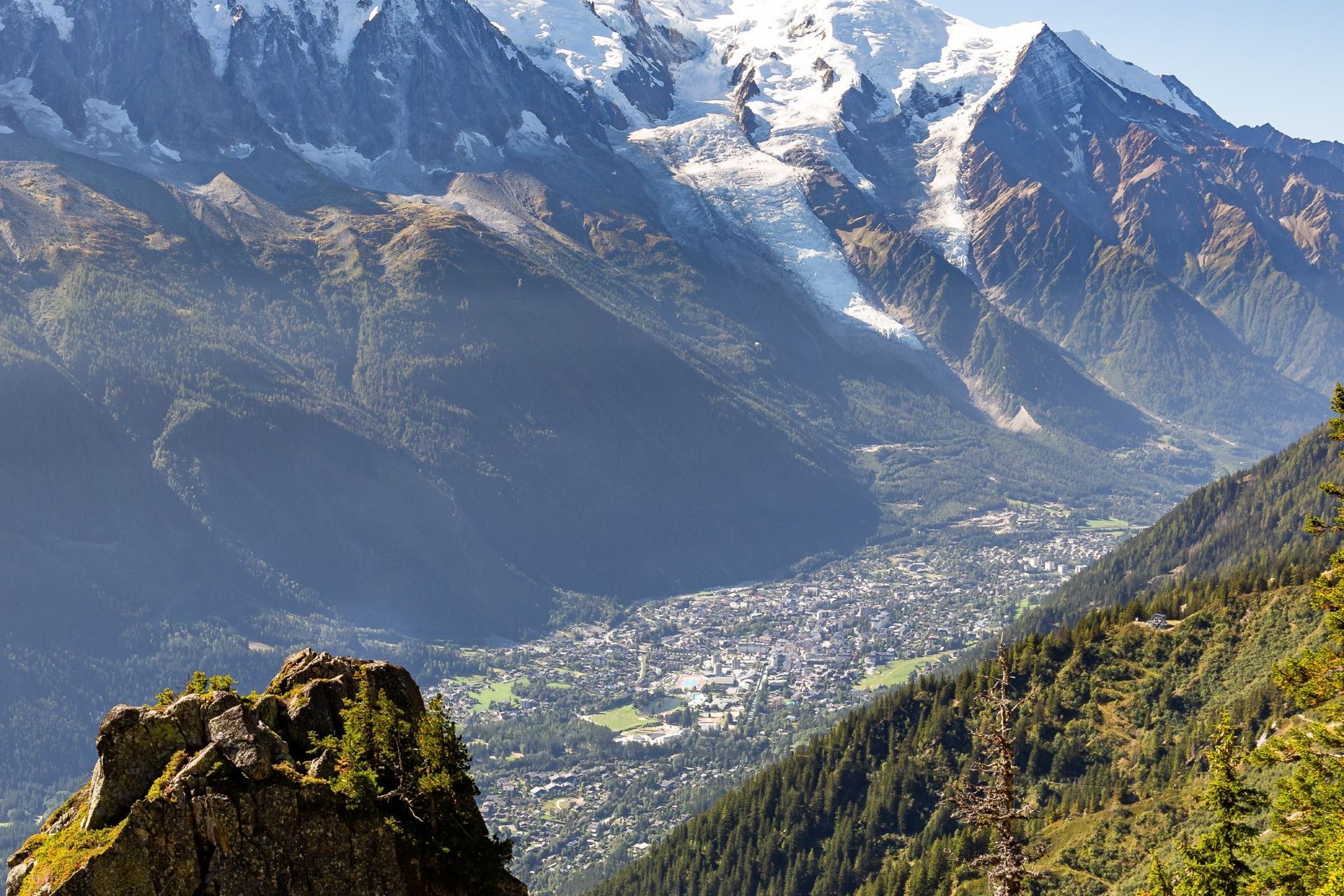
Snow is part of the TMB story longer into the season than first-timers expect. The high passes can hold old, hard snow (the locals call it neve) into June and sometimes beyond, and a summer storm can leave a dusting up high any month. None of it is usually a problem for a prepared hiker on the standard route, but it can make a steep pass slippery, which is where trekking poles, good footwear, and, when conditions warrant, a safe lower-route or cable-car alternative come in.
Rain, Wind and Afternoon Thunderstorms
The classic Alpine summer pattern is a clear morning that clouds over into an afternoon thunderstorm, most common in July and August. That is the single best argument for early starts: you want the high, exposed sections behind you before the sky turns. If lightning is in the forecast, the passes are no place to be, and the smart move is to adjust the day rather than push through.
How to Check the Tour du Mont Blanc Forecast (the Right Way)
Here is the practical part most guides wish every hiker knew:
- Use mountain-specific forecasts, not just the valley. A Chamonix town forecast under-reads the passes. Start with the official Chamonix Meteo France forecast for the valley picture, then check a high-elevation source like Mountain-Forecast's Mont Blanc page for the cols.
- Trust the short range. Alpine forecasts are reasonably reliable a day or two out and much less so beyond that. A settled high-pressure system is your most dependable signal.
- Watch the webcams. Live trail and summit webcams show you real conditions right now, which a forecast cannot.
- Ask the locals. The wardens at the mountain refuges (the "gardiens") have the best read on tomorrow's conditions and the state of the passes. Always ask before you set out in the morning.
What to Pack for Tour du Mont Blanc Weather
Because the weather can hand you everything in one day, you dress in layers: a wicking base, a warm mid-layer, and a waterproof shell, plus sun protection and a warm hat and gloves for the cold passes. For the full breakdown, see our Tour du Mont Blanc packing list, and to arrive ready for the long days, our training plan.
So, When Should YOU Hike the Tour du Mont Blanc?
There is no single best month, only the best month for your priorities:
- Fewest crowds: early June or September.
- Warmest, most reliable weather: mid-July through August.
- Wildflowers and green meadows: late June into July.
- Autumn color and quiet: September.
Decide what matters most to you, accept the trade-off that comes with it, and the choice gets easy.
Why a Guided Trip Takes the Weather Worry Off Your Plate
Here is the real comfort: on a guided trip, the weather stops being your problem to solve. Our guides watch the forecast daily, give a clear briefing each morning, set the pace, and make calm decisions when conditions shift, taking a cable car or a lower route rather than pushing into danger. (Two cable-car segments are already built into the route, and vehicle transfers link several stages, so adapting to the weather is part of how the trip runs.)
That is the difference between refreshing a forecast app at 3 a.m. and simply showing up to hike. On our guided Tour du Mont Blanc trek, the route, the logistics and the weather calls are handled by people who know this terrain, so a changeable Alpine sky becomes part of the adventure instead of a source of stress. Read how our first Alps departure came together in our Tour du Mont Blanc announcement, and see more of our hiking in the Alps.
Frequently Asked Questions
What is the weather like on the Tour du Mont Blanc?
Variable high-Alpine weather: warm valleys, much colder and windier high passes, cool nights, and frequent afternoon thunderstorms in midsummer. Pack for sun, rain and cold on the same day.
When is the best time to hike the Tour du Mont Blanc?
Roughly late June to mid-September. July and August are warmest and most reliable but busiest; June and September are quieter but cooler and more changeable.
Which month is best for the TMB?
It depends on your priorities: June or September for fewer crowds, mid-July to August for the warmest and most stable weather, late June and July for wildflowers, September for autumn color and quiet.
Is there snow on the Tour du Mont Blanc in summer?
Often on the high passes, especially in June and after storms. Poles help, traction is occasionally useful, and guides know the safe lower-route or cable-car alternatives.
How cold does it get on the Tour du Mont Blanc?
Valleys can be warm, but the high passes are much colder and nights can drop toward 40 F even in midsummer. Conditions can swing sharply within a single day, so always carry warm layers and a shell.
What should I wear on the Tour du Mont Blanc?
Dress in layers you can add and shed: a wicking base, a warm mid-layer, a waterproof shell, and a hat and gloves for the passes. Our packing list covers the full kit.
How strenuous is the Tour du Mont Blanc?
It is a demanding multi-day trek: about six to eight hours of hiking a day, up to roughly nine miles, with big climbs and descents. It takes endurance rather than technical skill, and our training plan shows how to build it.
Are there thunderstorms on the TMB?
Yes, afternoon thunderstorms are common in July and August. Start early, watch the sky, and stay off exposed passes when storms threaten.
How do I check the Tour du Mont Blanc weather forecast?
Use mountain-specific forecasts and live webcams rather than the valley forecast alone, remember the reliable range is only a day or two, and ask the refuge wardens for the local read each morning.
Four Season Guides, 506 N Grant St suite o, Flagstaff, AZ 86004, United States
+19285251552
35.19653980, -111.62000560
Read More