What It's Like to Visit Zion in April
April is a strong contender for the best month to visit
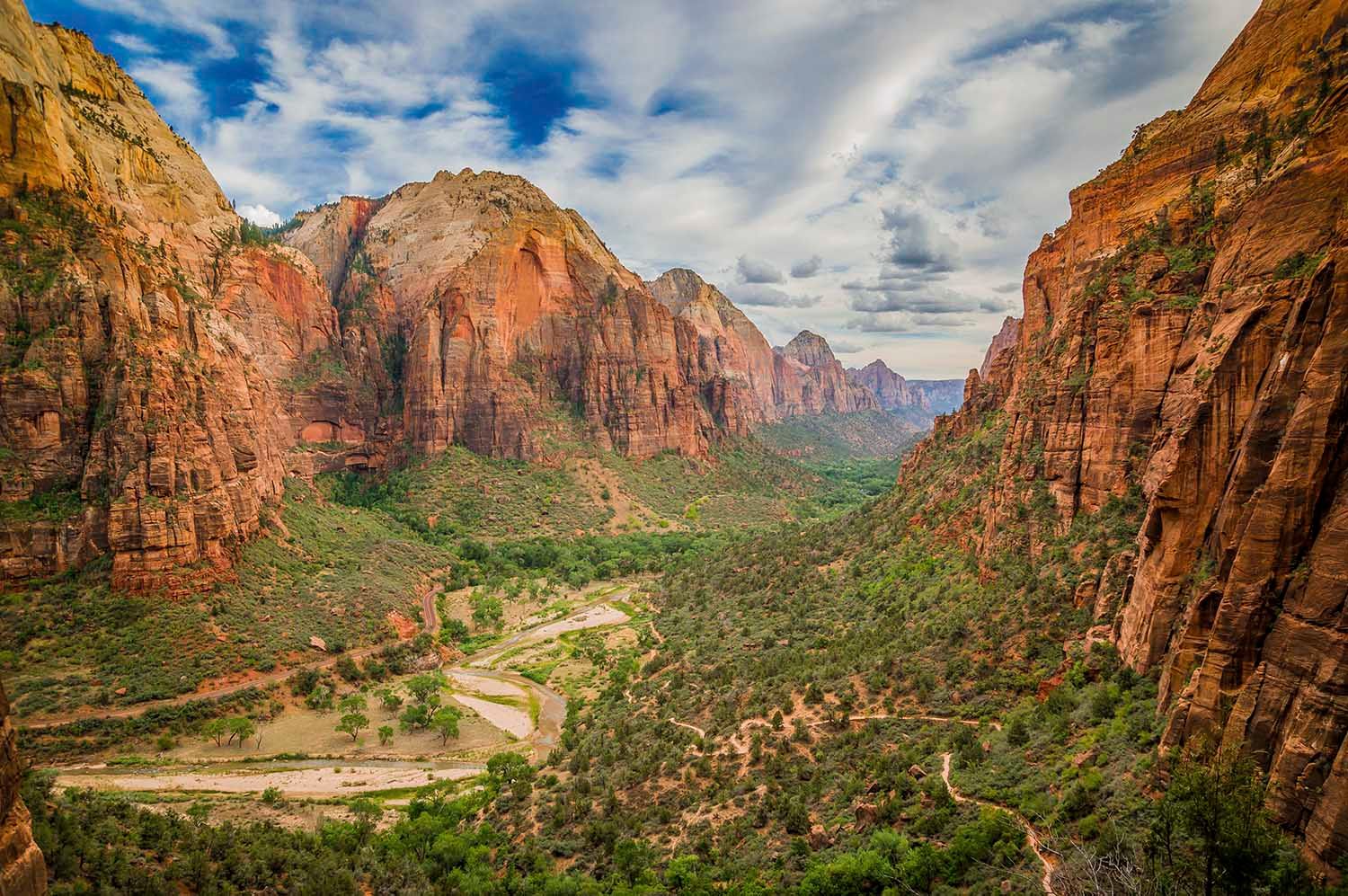
Zion National Park. The Virgin River has settled from spring runoff to walkable levels, the cottonwoods lining Zion Canyon are leafing out in bright green, and temperatures sit in the sweet spot between winter cold and summer heat. Whether you're planning to summit Angels Landing, wade The Narrows, or simply drive Zion Canyon Scenic Drive, April delivers conditions hard to match.
Key Takeaways
- Zion's April weather is ideal for hiking: daytime highs near 70°F in the canyon, cool mornings, and minimal rain risk before the May runoff peaks.
- The Narrows is walkable in April but cold. Water temperatures hover around 50°F. Dry suits or neoprene from a local outfitter are essential, and flash flood awareness is non-negotiable.
- Angels Landing permits are required year-round. Apply through the seasonal lottery before your trip. April permits are competitive.
- Zion Canyon Shuttle runs daily from mid-March through late November. Private vehicle access to the canyon is restricted; plan around the shuttle schedule.
- Wildflowers (sego lily, indian paintbrush, penstemon) bloom on the lower-elevation Watchman and Pa'rus trails in April.
- Booking a guided trip with Four Season Guides handles permit applications, route planning, and gear logistics for you.
Zion National Park Weather in April: What to Expect
- April sits between Zion's cold winter and its hot summer—nearly ideal hiking weather throughout the park's main elevations.
- Zion Canyon (4,000 ft): Daytime highs 65°F to 75°F (18°C to 24°C), overnight lows 40°F to 50°F (4°C to 10°C). Mostly sunny.
- Upper plateaus (Kolob Terrace, 6,000–8,000 ft): 10–20°F cooler than the main canyon, with patchy snow lingering at higher elevations into mid-April.
- Rainfall: April averages under one inch. Flash flood risk is lower than in monsoon season but never zero—check NPS conditions before entering The Narrows or any slot canyon.
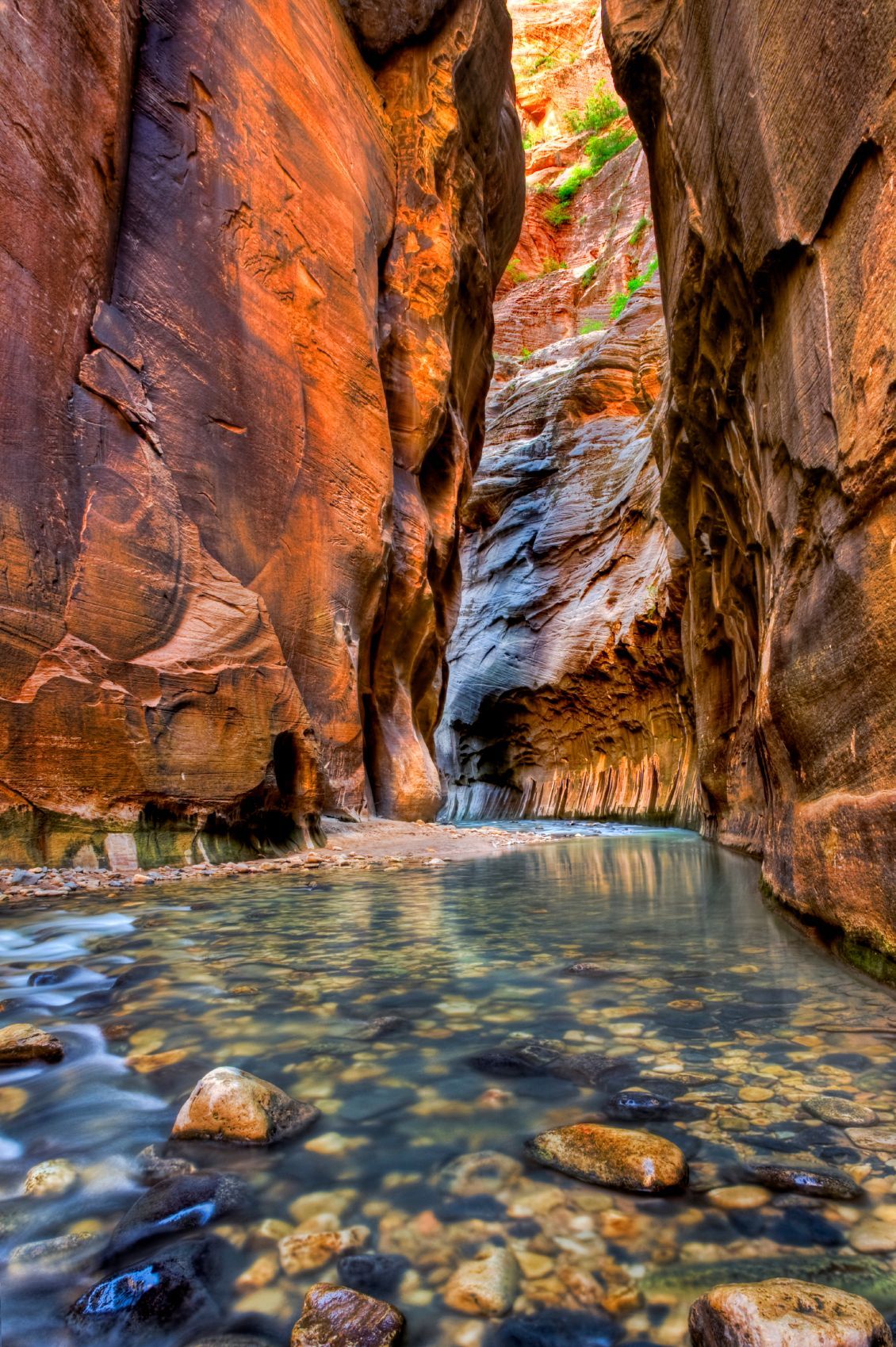
- Virgin River temperatures: ~50°F in early April, warming gradually through the month. The Narrows requires neoprene or a dry suit for comfortable wading.
Advantages of Visiting Zion National Park in April
1. Comfortable Hiking on Iconic Routes
Angels Landing (with permit), Observation Point, Hidden Canyon, and the Riverside Walk are all at their best in April. Daytime temperatures stay below 80°F, so even strenuous routes like Angels Landing feel manageable without the heat exhaustion risk of June.
2. The Narrows Becomes Walkable
Spring runoff typically peaks in late May, but April flow is usually within walkable range for experienced hikers in proper neoprene or dry suits. The canyon is cool, quiet, and dramatic. Always check current flow rates at the Visitor Center before entering.
3. Cottonwoods, Wildflowers & Photography
The Virgin River's cottonwood trees leaf out in bright green in April, contrasting with the Navajo sandstone walls. Wildflowers add color to lower-elevation trails. April light is softer than summer light, ideal for photography.
Challenges of Visiting Zion National Park in April
1. Permit Logistics
Angels Landing requires a permit obtained via the NPS seasonal lottery. April permits are competitive—apply 2–3 months in advance. The Narrows top-down route also requires a wilderness permit. Plan permit applications before booking lodging.
2. Cold Water in The Narrows
At ~50°F, the Virgin River is cold enough to cause hypothermia within an hour of full immersion. Neoprene socks, dry pants, and a wading stick are required. Rent from Springdale outfitters if you don't own the gear.
3. Shuttle-Only Access
Private vehicles are not allowed up Zion Canyon Scenic Drive in April. Shuttle service is reliable but can mean waits at peak times (10 a.m.–2 p.m. on weekends). Start early or hike less-popular trails to avoid shuttle line frustration.
Best Activities for April Visitors
- Hiking: Angels Landing (permit required), Observation Point via East Mesa Trail, Hidden Canyon, Watchman Trail, and the Emerald Pools loop.
- The Narrows (bottom-up day hike): wade upstream from the Temple of Sinawava as far as Big Spring (~5 miles round trip). Permits required for full Top-Down route.
- Scenic drives: Zion-Mount Carmel Highway (with the iconic tunnel) is open year-round. Kolob Canyons section in the park's northwest is quieter and worth a half-day.
- Guided trips: Four Season Guides operates Zion-area trips with permit support, gear rental coordination, and local guide expertise.
When Is the Best Time to Visit Zion National Park?
Zion is busy year-round, but each season has a different character:
- March–May: peak hiking weather, manageable temperatures in the canyon, The Narrows transitions from runoff to walkable.
- June–August: hot (100°F+ in the canyon at midday), busiest crowds, shorter Narrows hiking due to flash flood risk. Pre-dawn starts required for strenuous trails.
- September–November: cooler temperatures return, fall color in cottonwoods, lower crowds. October is a strong alternative to April.
- December–February: cold (sometimes below freezing), no shuttle service in February (private vehicle access), Angels Landing may be icy. Best for solitude.
Frequently Asked Questions
Is April a good time to visit Zion?
Yes, April is one of the best months. Daytime highs near 70°F, low rain risk, wildflowers blooming, and The Narrows transitioning from runoff to walkable. The main planning challenge is the Angels Landing permit lottery.
Is Angels Landing open in April?
Yes, but you need a permit. NPS runs a seasonal lottery 2–3 months in advance. Spring permits (March–May) are among the most competitive. Apply early.
Can I hike The Narrows in April?
Yes, with caveats. The Virgin River flow is usually within walkable range, but water temperatures are around 50°F. Neoprene socks and waterproof pants (or a full dry suit) are essential. Check NPS conditions for current flow rate and flash flood risk before entering.
How crowded is Zion in April?
Moderately busy and growing through the month. Spring break and Easter drive peak crowds. Mid-week visits and early-morning starts feel quieter. The shuttle system regulates access into the canyon but lines can be long midday.
Is the Zion Canyon Shuttle running in April?
Yes. The shuttle runs daily from mid-March through late November. Private vehicle access to the upper canyon is restricted during this period.
What permits do I need for Zion?
Angels Landing (year-round, permit lottery), The Narrows top-down (wilderness permit), West Rim trail backcountry (wilderness permit), and Subway technical route (separate lottery). Day hiking elsewhere does not require permits.
What should I wear in Zion in April?
Layers. Mornings can be cold (40°F); afternoons in the 70s. Hiking pants or shorts, sun shirt, fleece or shell for mornings, sturdy hiking shoes, sun hat, and sunglasses. For The Narrows: add neoprene socks, dry pants, and a wading stick.
How many days should I spend in Zion?
Three to four days lets you hike Angels Landing, walk into The Narrows, and drive the Zion-Mount Carmel Highway to Bryce Canyon (90 minutes away). Add a fifth day for Kolob Canyons or a multi-day backcountry trip.
How much does it cost to enter Zion National Park?
Standard vehicle pass is $35 (good for 7 days). Annual park-specific pass is $70. Interagency America the Beautiful pass ($80) covers all national parks for a year.
Where should I stay near Zion in April?
Springdale (right outside the south entrance) is the most convenient. Hotels book up early for April—reserve 2–3 months in advance. Watchman Campground inside the park is available on a 6-month rolling reservation window.
Plan Your Zion National Park Adventure with Four Season Guides
Zion in April is one of the most rewarding national park experiences in the American Southwest, but it rewards careful planning. Four Season Guides handles permit applications, gear coordination, and route choice so you can focus on the experience.
Contact Four Season Guides today to plan your April trip to Zion National Park.
Four Season Guides, 506 N Grant St suite o, Flagstaff, AZ 86004, United States
+19285251552
35.19653980, -111.62000560
Read More